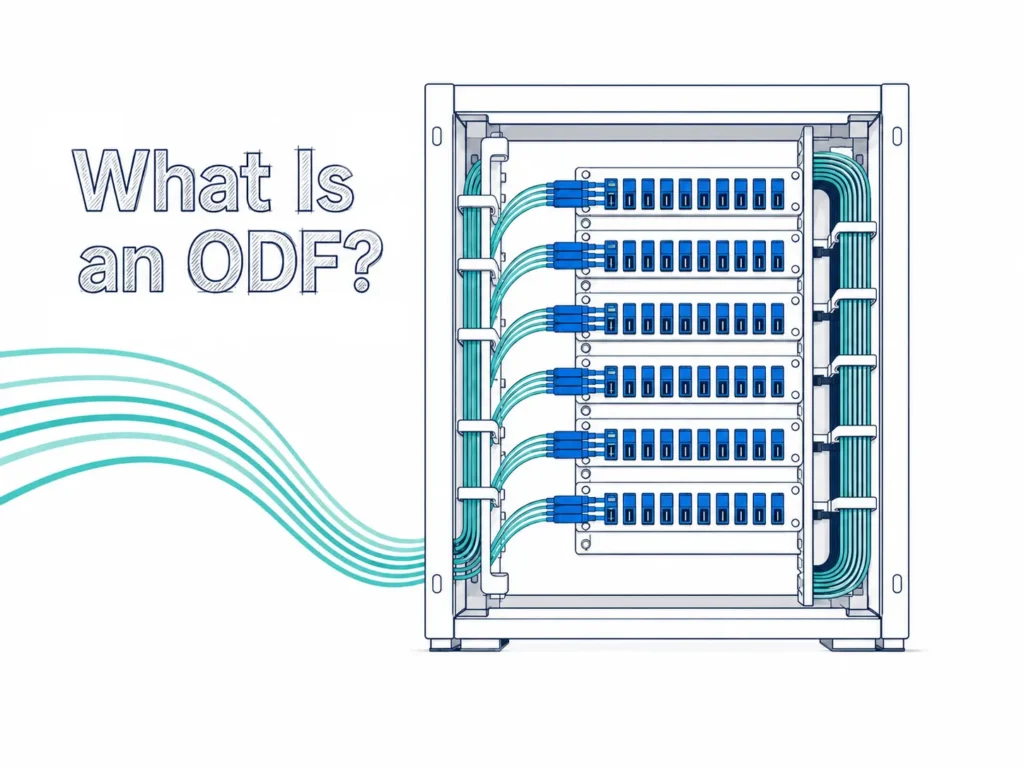
What Is an ODF in Fiber? A Practical Optical Distribution Frame Guide
An ODF organizes, protects, terminates, splices, and patches fiber circuits. Learn ODF types, selection criteria, and planning steps for scalable fiber networks.


An ODF organizes, protects, terminates, splices, and patches fiber circuits. Learn ODF types, selection criteria, and planning steps for scalable fiber networks.
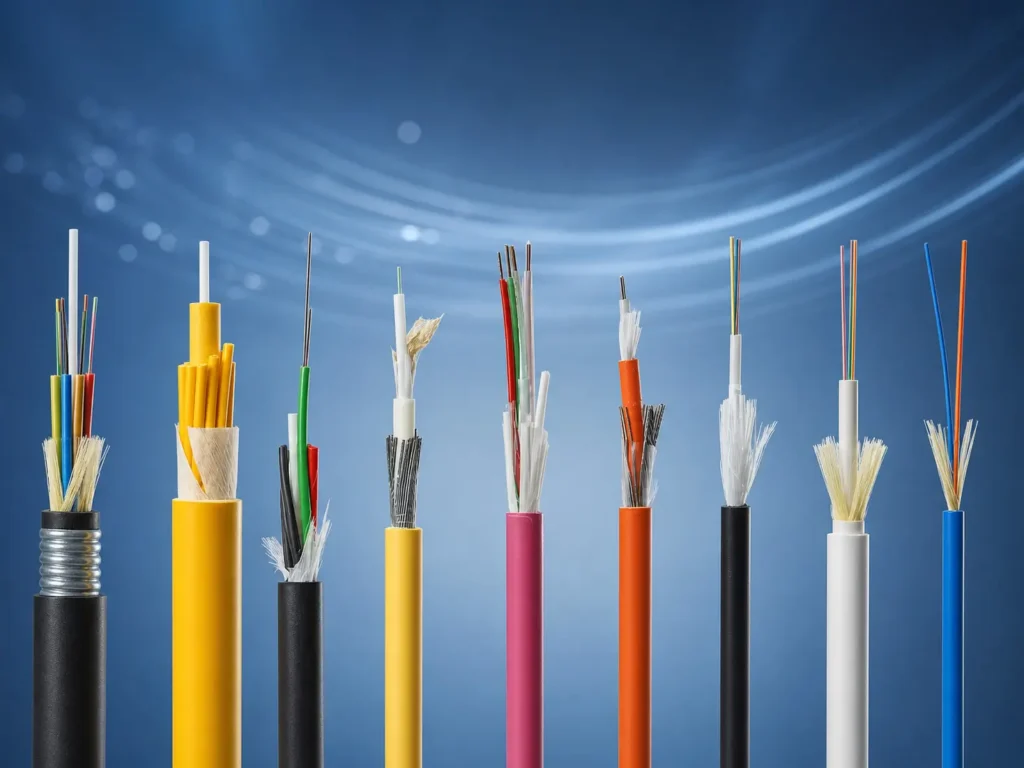
Fiber optic cables combine a light-carrying glass fiber with protective materials chosen for the installation environment. This guide explains the role of core and cladding, coatings, buffers, strength members, armor and jacket materials—and how they affect cable selection and connectivity planning.
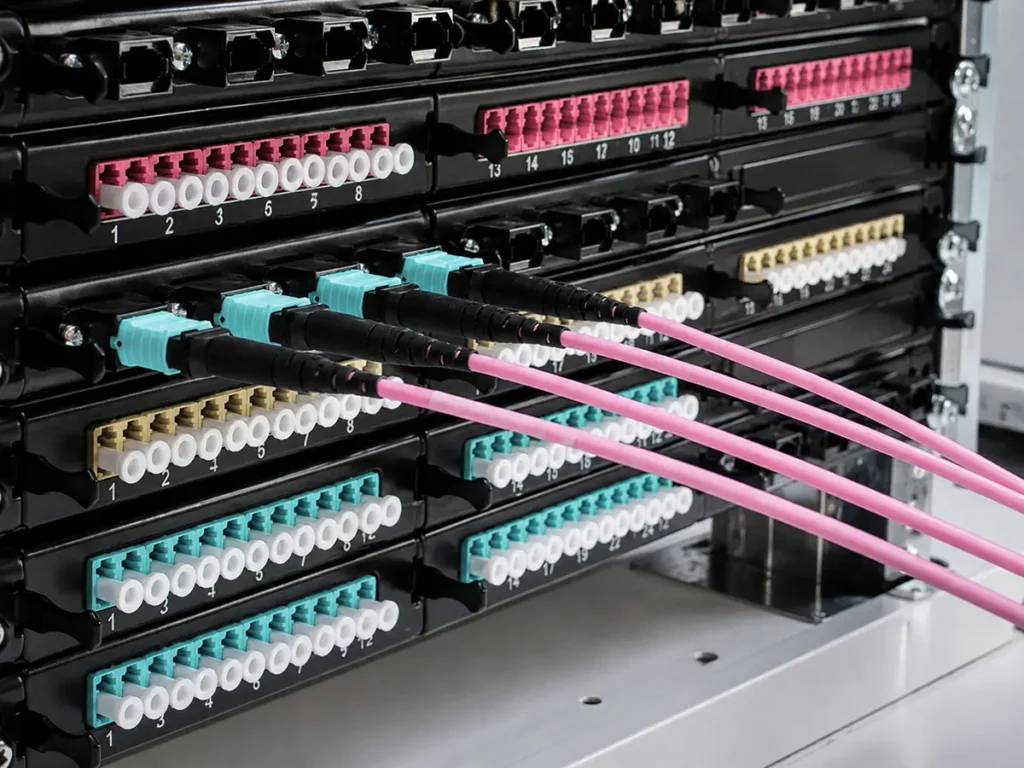
A practical engineering and procurement guide to MPO/MTP cable architecture, fiber count, polarity, pin configuration, optical testing, labeling, and batch-quality control.
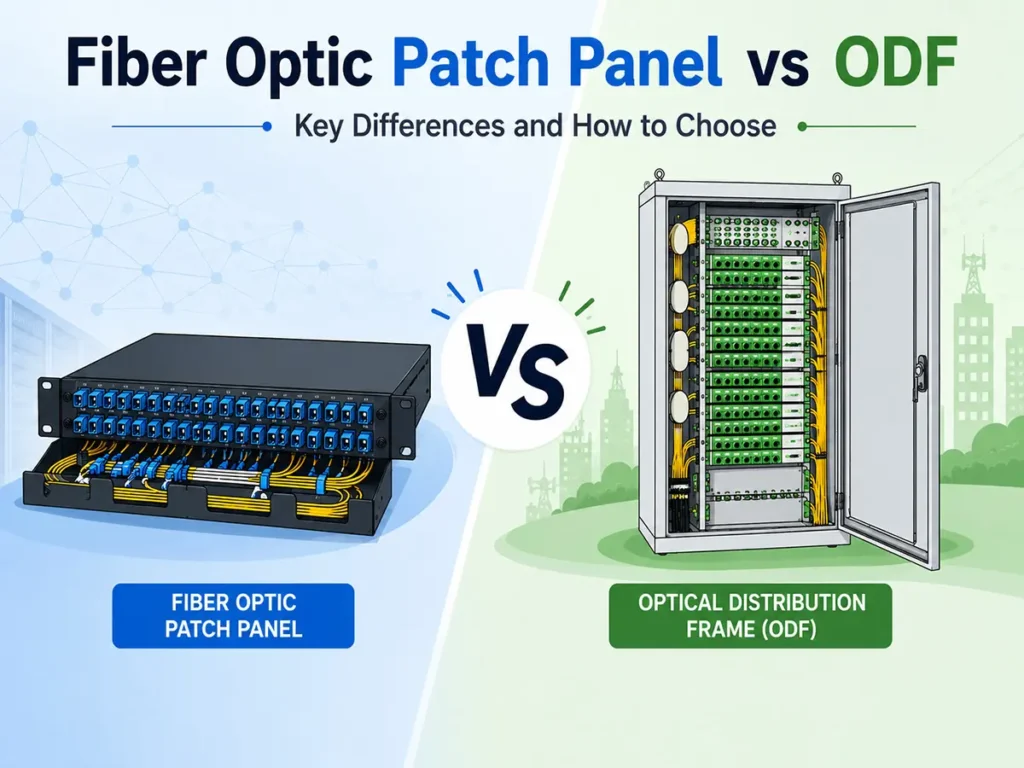
A practical comparison of fiber optic patch panels and ODFs for data centers, telecom rooms, FTTH networks, and backbone fiber distribution.
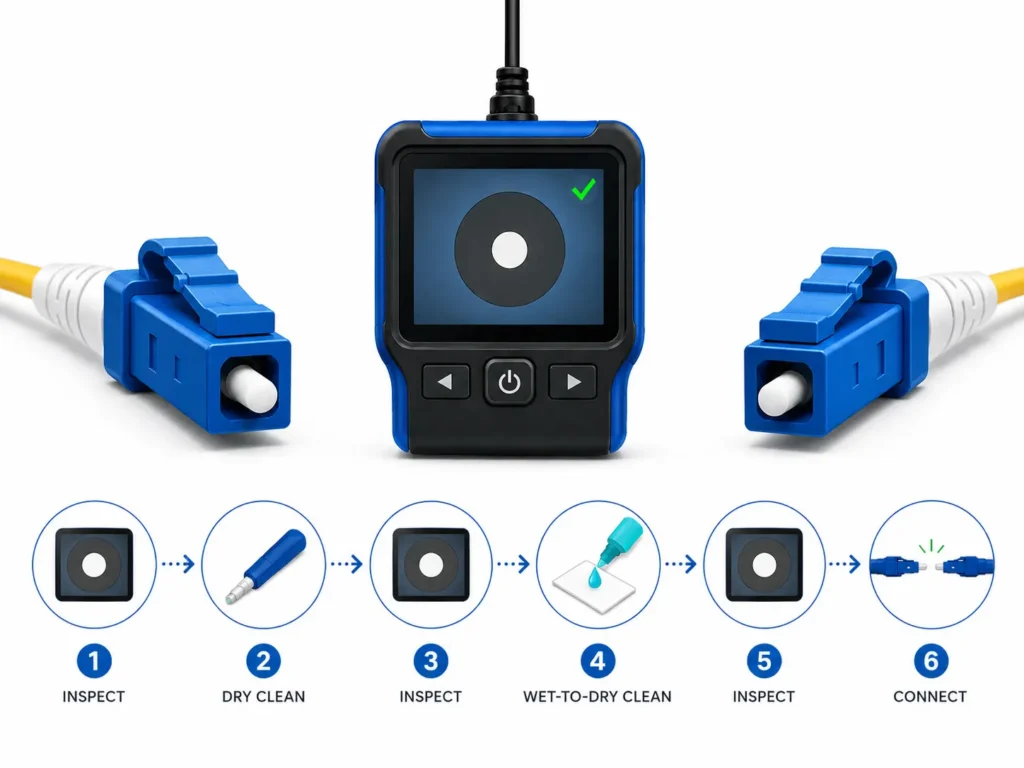
Fiber optic cleaning is not simply wiping a connector. This guide explains how to inspect, clean and verify fiber connector end faces, how to choose between dry and wet-to-dry methods, and when continued cleaning should give way to testing or replacement.
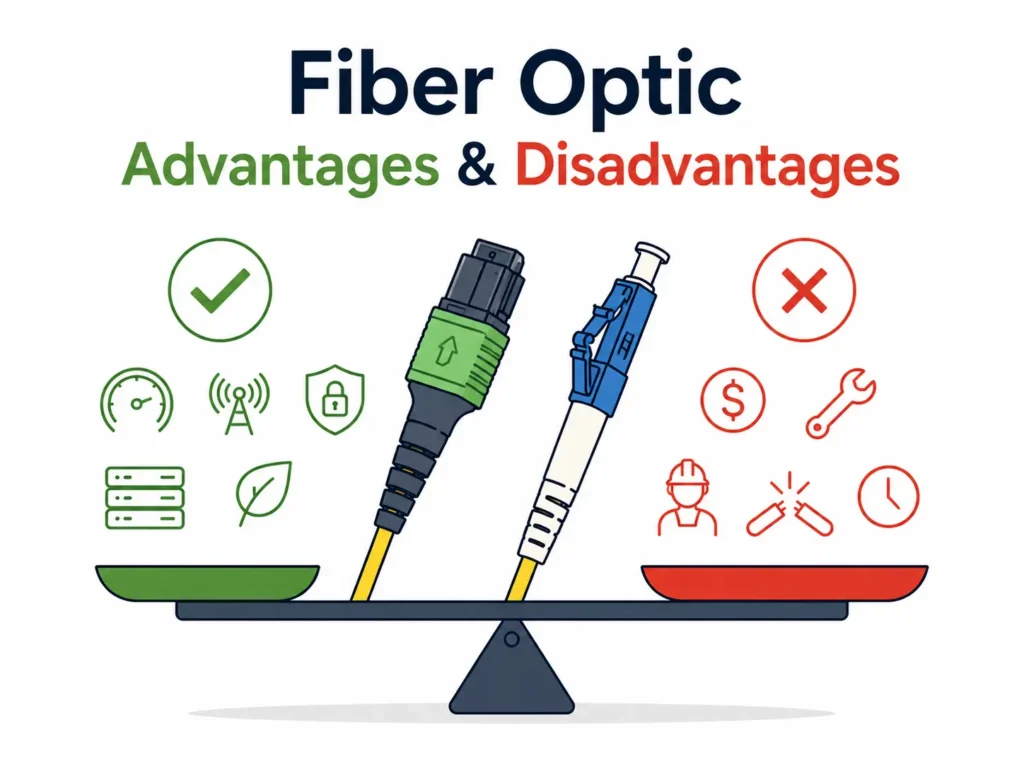
Fiber optic cable offers outstanding bandwidth, long-distance performance, and immunity to electromagnetic interference—but those benefits come with trade-offs. This guide examines the real advantages and disadvantages of fiber, including 2026 price increases, bend limitations, installation and repair costs, and the applications where fiber is—or is not—the best choice.
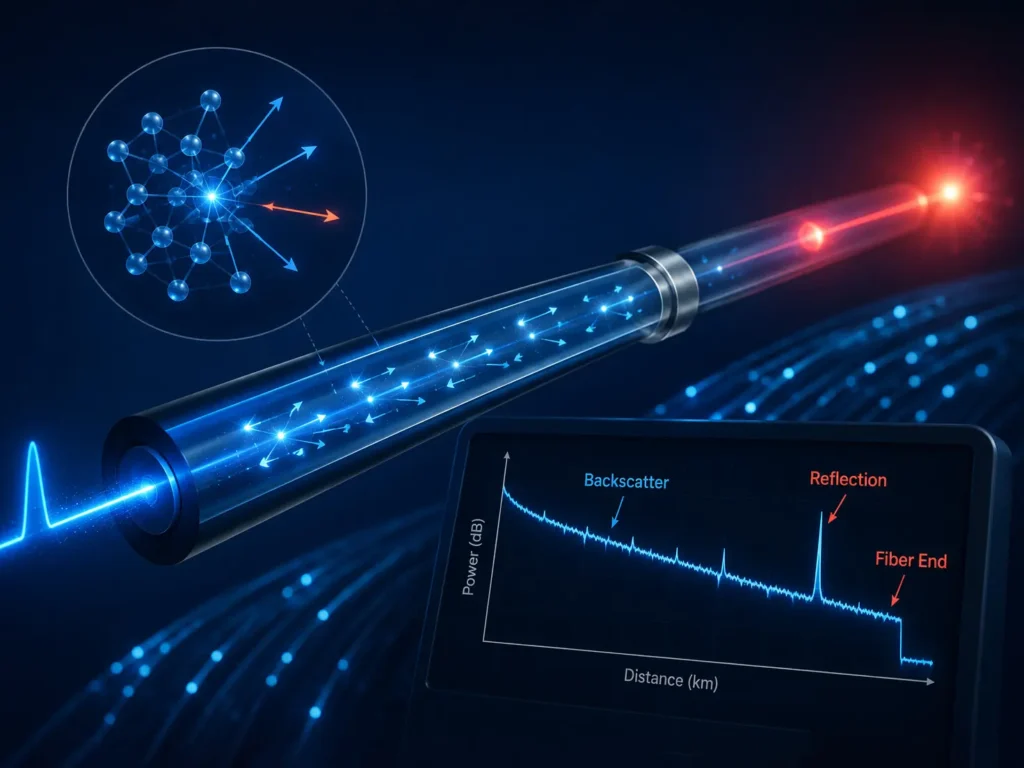
Rayleigh scattering is the hidden physical mechanism that makes OTDR possible. This article explains how optical fibers naturally generate backscatter, why 1550nm travels farther, how OTDR traces are formed, and how scattering physics affects attenuation, fault detection, and long-distance fiber communication.
Rayleigh scattering is the hidden physical mechanism that makes OTDR possible. This article explains how optical fibers naturally generate backscatter, why 1550nm travels farther, how OTDR traces are formed, and how scattering physics affects attenuation, fault detection, and long-distance fiber communication.
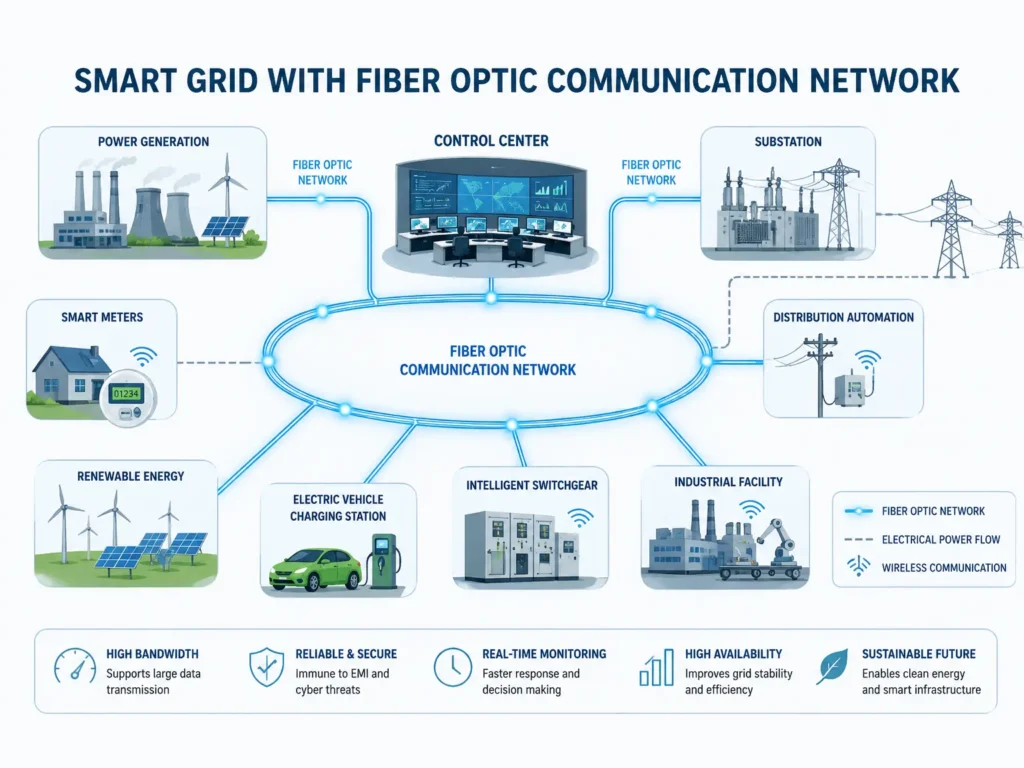
As AI data centers, electric vehicles, and renewable energy continue expanding, traditional power grids are facing unprecedented pressure. This article explores how fiber optic communication networks are helping smart grids achieve faster monitoring, better reliability, lower latency, and stronger resistance to electromagnetic interference in modern energy infrastructure.

Why are APC fiber connectors polished at an 8-degree angle instead of remaining flat like UPC connectors? This article explains the real optical reason behind the famous 8° APC design, including Fresnel reflection, numerical aperture, Gaussian mode coupling, and why angled polishing dramatically improves return loss in modern fiber optic networks.