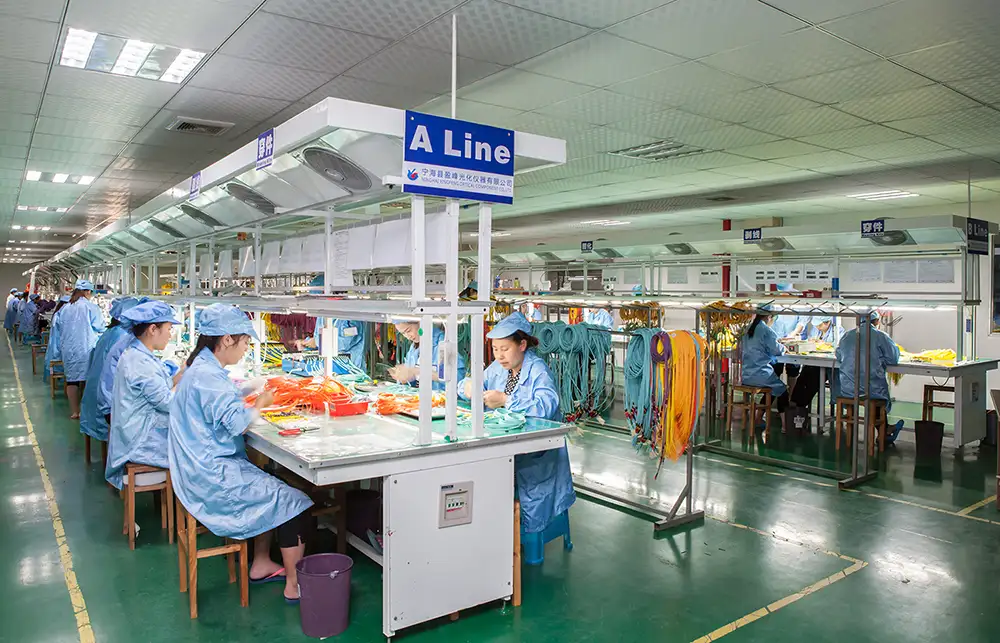

Before we get into the details, I want to clarify one thing. Although this guide is written around fiber optic patch cords, the sourcing logic here actually applies to almost any product—especially when sourcing from China.
The reason I’m using patch cords as the example is simple: this is the industry I’m most familiar with, and I’ve seen many real cases—good and bad—over the years.
So instead of giving you a generic “buying guide,” I’ll walk through this topic in a more practical way, using real-world sourcing scenarios that you can apply beyond just fiber optics.
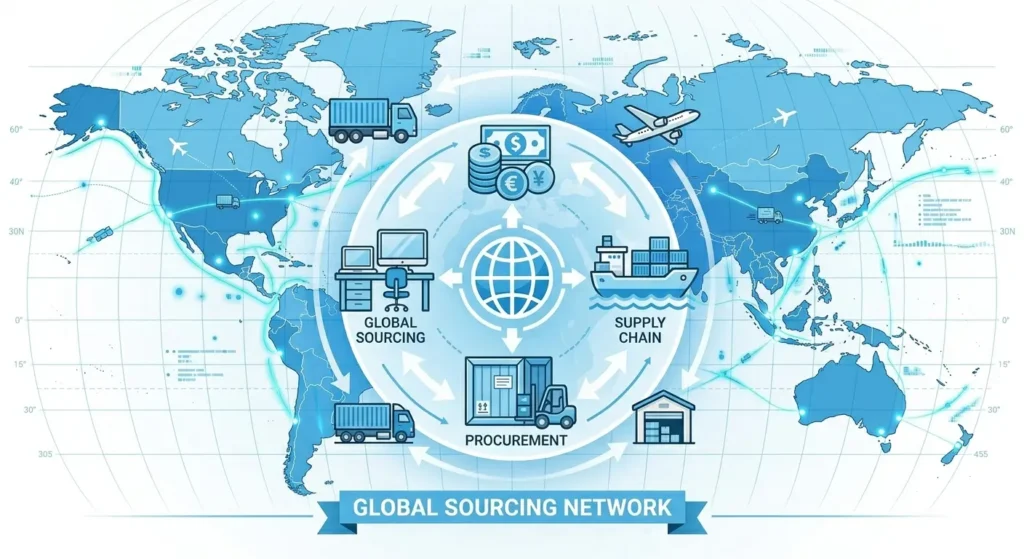
TABLE OF CONTENTS
First Confirm Requirements
On paper, buying fiber optic patch cords seems straightforward. It’s just a cable with two connectors, right?
But once you actually start sourcing them—especially for real projects—you quickly realize there are many variables behind what looks like a very simple product. Specifications, compatibility, quality consistency, pricing differences… all of these start to matter.
And the reality is, the demand for fiber patch cords is huge. From data centers to FTTH deployments, from telecom networks to enterprise cabling, patch cords are used everywhere.
That’s why the way you buy them depends a lot on who you are. In general, buyers fall into two categories:
- People who need a small quantity
- Companies or contractors who need large volumes
And the approach for these two groups is completely different.
If You Only Need a Few — Just Buy from a Brand
If you only need a small number of patch cords—for testing, lab use, or small deployments—the easiest and safest option is to buy directly from well-known brands or trusted online platforms.
Brands like Corning and CommScope have long-established reputations in the fiber industry. Another popular option is FS, which is known for offering a good balance between price and performance.
Yes, these products are usually more expensive, but in return you get consistent quality, certified performance, and peace of mind. You don’t have to worry too much about specifications, compatibility, or reliability.
So if your quantity is small, honestly, don’t overthink it. Pay a bit more, save yourself the time and uncertainty.
If You Need Bulk Quantities
At a small scale, buying patch cords is easy. You can just go to a well-known supplier, pay a bit more, and get what you need. But once you move into larger quantities—hundreds or thousands of pieces—the situation changes completely.
At that point, even a small difference in unit price can significantly impact your total cost. At the same time, inconsistent quality can cause serious issues in your project.
So the real challenge is not just buying patch cords—it’s finding the right balance between price, quality, and supplier reliability.
Step 1: Be Clear About Your Specifications Before Asking for Quotes
Before contacting any supplier, you need to clearly define what you’re looking for.
This sounds simple, but in practice, many buyers send vague inquiries like “I need fiber patch cords,” which leads to unclear quotes and a lot of back-and-forth communication.
A proper inquiry should look something like this:
G657A1 9/125 Duplex LC/UPC–LC/UPC 2.0mm 3m LSZH
Quantity: 1000 pcs
The more precise your specification is, the easier it is for the supplier to give you:
- An accurate price
- Correct weight and shipping cost
- Realistic production lead time
If you don’t fully understand these parameters, it’s worth reviewing the technical basics first. Knowing what you’re buying is always the first step to sourcing well.
Step 2: Compare Quotes — But Understand What You’re Actually Comparing
Once you send out your inquiries, you’ll start receiving quotes. And this is where many buyers get confused—because prices for what seems like the “same product” can vary a lot.
In most cases, this comes down to two main factors: quality differences and supplier type.
1. Price Differences Caused by Quality
Higher prices are often linked to better materials, better polishing processes, and stricter quality control. But here’s the challenge: You cannot verify quality just through emails or verbal promises.
Every supplier will say their product is “high quality.” No one will highlight their weaknesses.
So how do you actually verify it? There are two practical ways:
- Request samples and test them yourself
- Ask for real testing data and videos
Reliable manufacturers usually have testing equipment and can provide:
- Insertion loss and return loss data
- Tensile strength testing
- Plug/unplug durability tests
If a supplier can show real test data and actual testing videos (not just marketing materials), you can already filter out a large number of low-quality options.
2. Price Differences Caused by Supplier Type
For bulk buyers, you’ll mainly encounter two types of suppliers:
Integrated Manufacturers
These factories produce key components themselves (connectors, cables) and assemble patch cords in-house.
- Lower prices
- Better cost control
- But usually limited product range (they focus on specific products)
Trading Companies
These suppliers source products from multiple factories and resell them.
- Higher prices (due to added margin)
- Much wider product range
- Easier to source different types of products in one place
So which one should you choose?
- If you need large quantities of a single product, a factory is usually the better option
- If you need small quantities with many variations, and price is less critical, a trading company can be more convenient
3. Price Structure and Low-Price Risks
There’s another important layer behind pricing.
Factories with full in-house production capability (connectors + cables + assembly) often have a cost advantage. This allows them to offer competitive prices without compromising quality.
On the other hand, some small workshops buy components from different sources and only do assembly. Their costs can actually be higher, even though they are “manufacturers.”
And then there are the very low quotes.
If one supplier’s price is significantly lower than all others, you should be cautious.
Extremely low prices often come with hidden risks—such as lower-grade materials, inconsistent polishing quality, or lack of proper testing.
This doesn’t mean every low price is bad, but it does mean you need to verify more carefully.
How to Identify a Real Manufacturer
This is one of the most common questions in sourcing.
In general, buying directly from a factory gives you better pricing and more control. But in reality, it’s not always easy to tell whether a supplier is a factory or a trading company.
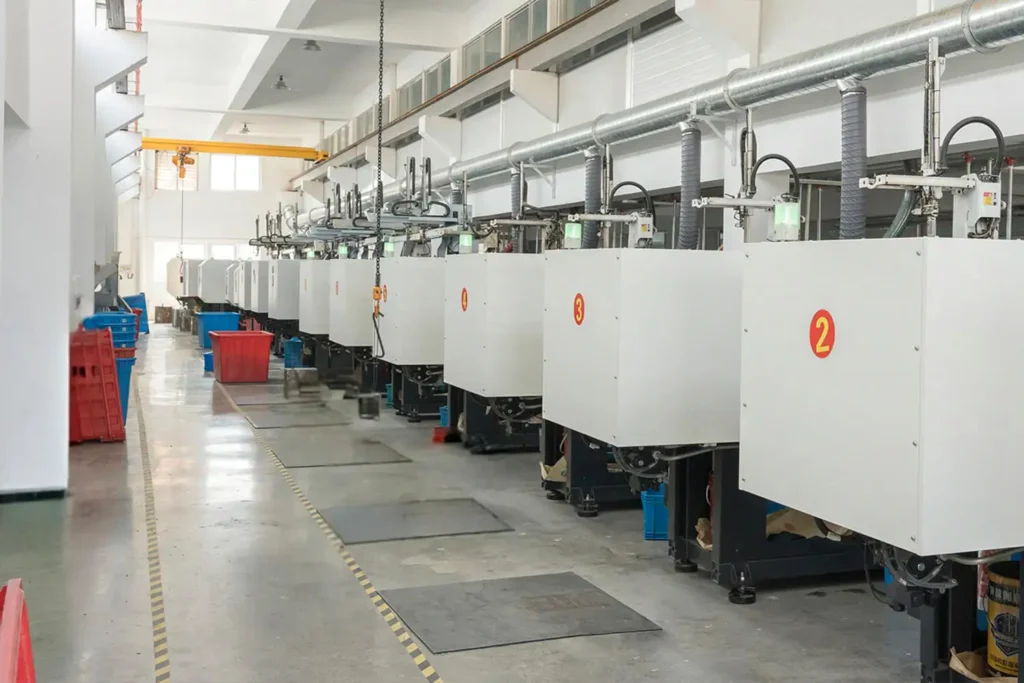
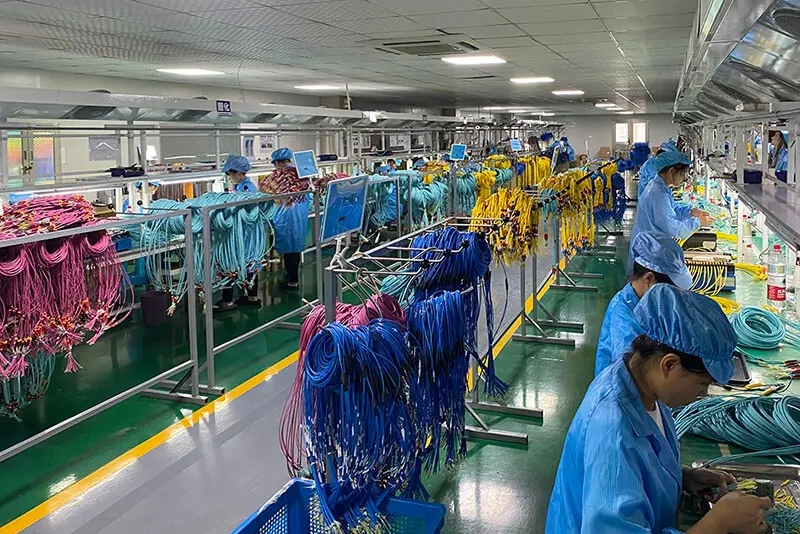
Many suppliers will present themselves as manufacturers, and they might even show factory videos.
So how do you tell the difference?
You need to pay attention to details. For example:
- Does the video show a real production line, or just a warehouse?
- Are there consistent machines and processes visible?
- Do you see branding, logos, or internal labeling on walls, packaging, or equipment?
These small details often reveal whether the video is genuine or just staged.
Of course, the most reliable way is always a factory audit. But if that’s not possible, careful observation can still tell you a lot.
Testing Capability — A Good Factory Should Have It
Another important factor is whether the factory has its own testing or laboratory capability.
In many cases, customers have specific requirements—especially for insertion loss, return loss, or custom configurations. Sometimes samples are sent to the factory for replication.
Without proper testing equipment, it’s very difficult to ensure consistent quality.
A factory with a complete testing setup can:
- Measure insertion loss and return loss accurately
- Ensure batch consistency
- Handle custom or high-spec requirements
From another perspective, having a lab is also a sign of overall capability. It usually means the factory is more serious about quality control and long-term production.
Other Questions You Should Always Ask
Beyond price and specifications, there are a few practical questions that can make a big difference in your sourcing experience.
For example:
- What is the minimum order quantity (MOQ)?
- What is the lead time for production?
- Can they provide samples, and are they free?
- Do they support customization (length, labeling, packaging)?
- Can they provide test reports or quality documentation?
These are the kinds of questions that don’t always show up in the initial quote, but they directly affect your project timeline and overall experience.
In many cases, these factors matter just as much as price—sometimes even more.
There Is No “Cheapest Option” — Only the Right Balance
After going through all of this, one conclusion becomes clear:
Buying fiber optic patch cords is not about finding the lowest price.
It’s about finding the right balance between:
- Price
- Quality
- Reliability
- Supplier capability
A slightly higher price from a stable and capable supplier is often a much better choice than a cheaper option that creates problems later.
In large projects, consistency matters far more than saving a few cents per cable.
There Is No “Cheapest Option” — Only the Right Balance
After going through all of this, one conclusion becomes clear:
Buying fiber optic patch cords is not about finding the lowest price.
It’s about finding the right balance between:
- Price
- Quality
- Reliability
- Supplier capability
A slightly higher price from a stable and capable supplier is often a much better choice than a cheaper option that creates problems later.
In large projects, consistency matters far more than saving a few cents per cable.
Final Thoughts
Choosing a fiber optic patch cord manufacturer is not a one-step decision—it’s a process of understanding your needs, comparing options, and verifying what suppliers can actually deliver.
The good news is that once you understand this process, it becomes much easier—not just for patch cords, but for sourcing many types of products.
If you’re working on a project and not sure which specifications or supplier options make the most sense, it’s always better to clarify things early.
Feel free to reach out if you want to discuss your requirements or compare different sourcing approaches. Sometimes a short conversation can save a lot of time—and avoid unnecessary mistakes.