
In many FTTH projects, the biggest challenge is not the equipment itself — it’s the installation process.
Traditional ODN deployment relies heavily on on-site fiber splicing. This requires skilled technicians, specialized tools, and a controlled working environment. In reality, however, installations often happen outdoors, on poles, or in underground spaces where conditions are far from ideal.
As a result, projects tend to face several common problems:
- Installation takes longer than expected
- Labor costs become a major part of the total investment
- Connection quality depends heavily on technician skill
- Repeated opening of fiber distribution boxes leads to long-term reliability issues
In many real-world deployments, labor and construction can account for more than half of the total cost. When networks need to be expanded or modified, the same work often has to be repeated — increasing both time and budget.
This is exactly the gap that Quick ODN is designed to solve.
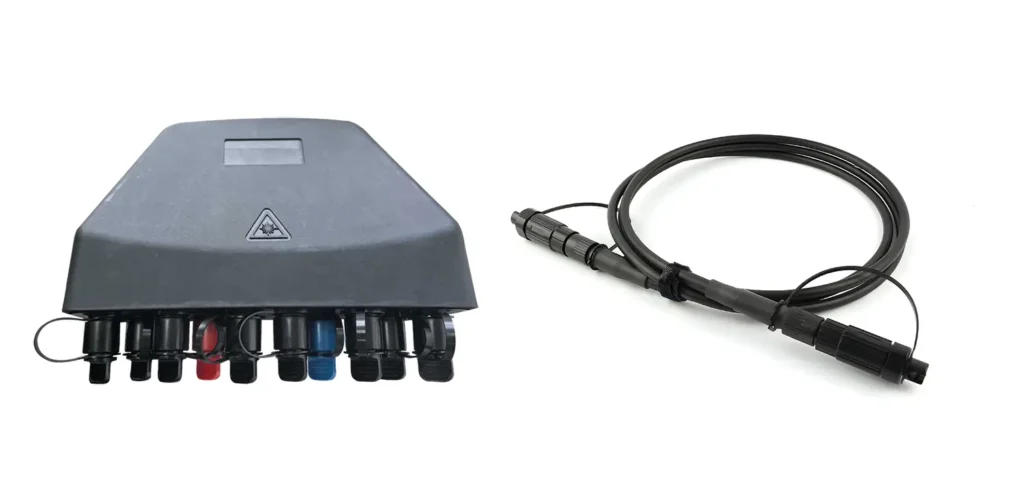
TABLE OF CONTENTS
What is Quick ODN?
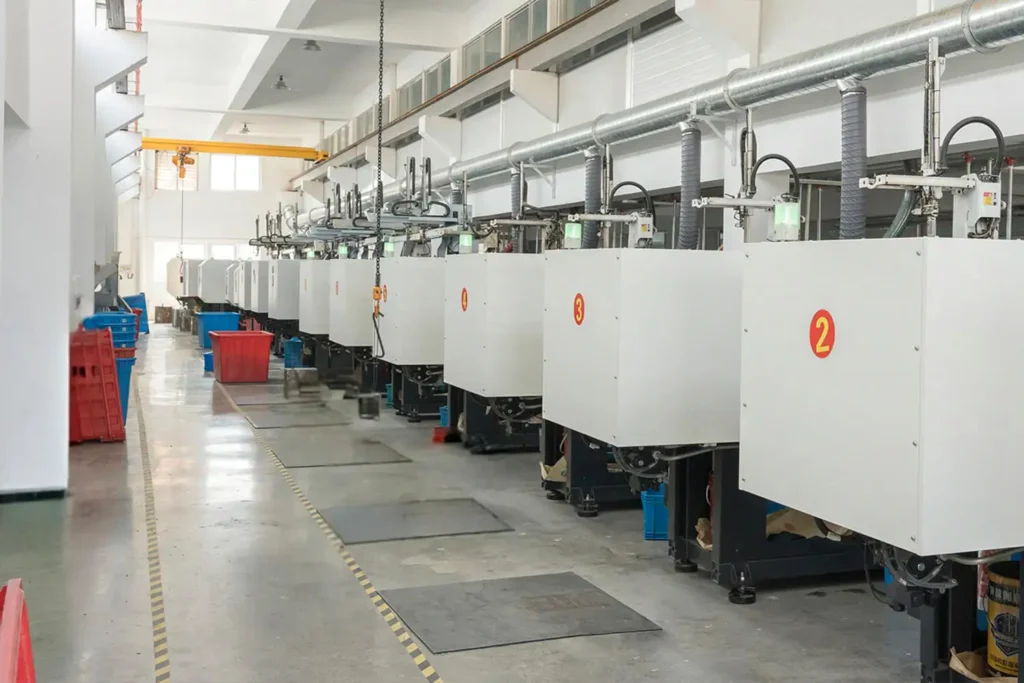
Quick ODN (Quick Optical Distribution Network) is a pre-engineered, plug-and-play approach to building fiber access networks. Instead of assembling and splicing everything on-site, most of the work is completed in the factory. Key components are pre-configured, tested, and delivered ready to install.
A typical Quick ODN setup includes:
- Pre-terminated fiber optic cables
- Factory-tested optical splitters
- Pre-configured terminal boxes and closures
- Connectorized interfaces for fast installation
At the construction site, technicians mainly focus on routing, plugging, and securing cables — rather than performing complex splicing operations.
In simple terms:
👉 Traditional ODN builds the network in the field
👉 Quick ODN builds the network in the factory
Why Quick ODN Solutions Are Becoming Popular
As FTTH demand grows globally, operators, contractors, and distributors are all facing similar pressures:
- Faster rollout timelines
- Rising labor costs
- Limited availability of skilled fiber technicians
- Increasing expectations for network reliability
Under these conditions, traditional deployment methods become harder to scale.
Quick ODN solutions are gaining popularity because they reduce on-site complexity and standardize installation. This makes deployment faster, more predictable, and easier to manage — especially for projects with tight deadlines or limited technical resources.
How a Quick ODN Network Works (End-to-End Flow)
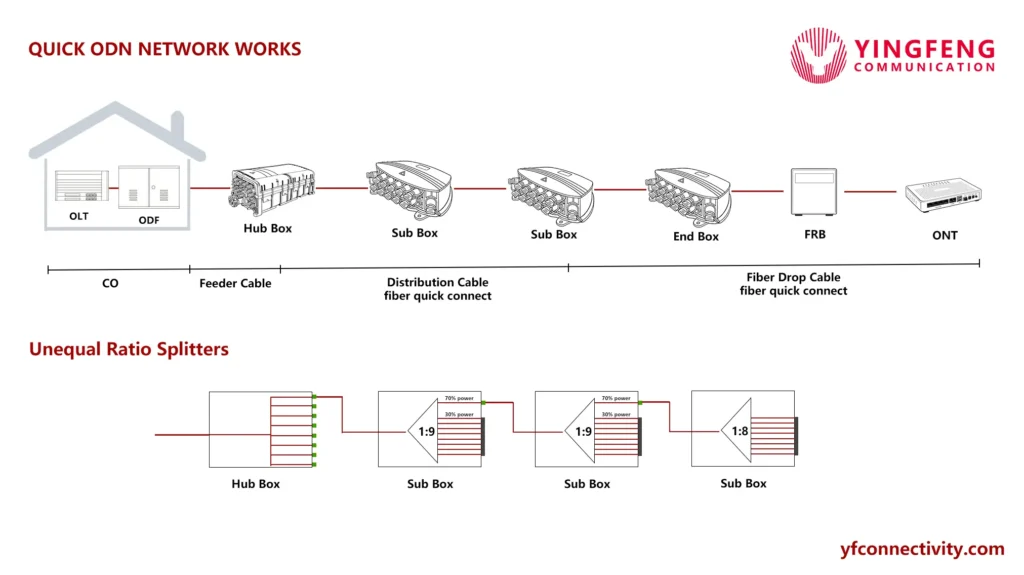
To better understand Quick ODN, it helps to look at how a typical network is structured from the central office to the end user. A common Quick ODN deployment follows this path:
OLT → ODF → Hub Box → Sub Boxes → End Box → FRB → ONT
- OLT (Optical Line Terminal)
Located at the central office, the OLT generates and transmits optical signals into the access network. - ODF (Optical Distribution Frame)
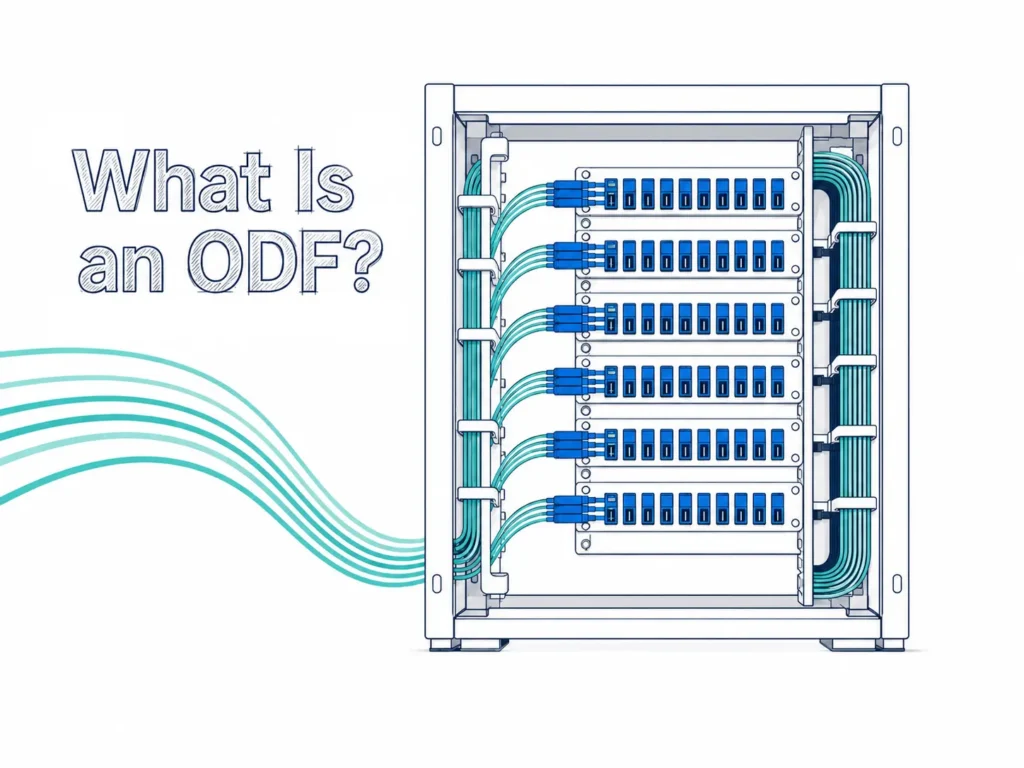
The ODF acts as the main fiber management and cross-connection point inside the central office. It organizes feeder fibers and connects the OLT to the outside distribution network. - Hub Box (Primary Splitter Point)
The optical signal is first distributed to a hub box, which typically uses equal ratio splitters (such as 1:2 or 1:4). This stage defines the main distribution direction of the network. - Sub Boxes (Secondary Distribution with Unequal Splitting)
From the hub box, signals are routed to multiple sub boxes. This is where unequal ratio splitters are commonly used.
A portion of the optical power is distributed locally, while the remaining signal continues downstream to other sub boxes. This cascading design improves fiber utilization and reduces the number of required backbone fibers. - End Box (Final Equal Splitting Stage)
At the access layer, end boxes perform the final stage of distribution, usually using equal splitters (such as 1:8 or 1:16) to connect multiple nearby users. - FRB (Fiber Rosette Box)
The FRB is installed close to or inside the user premises. It serves as the termination point for the drop cable and provides a clean interface for connecting to the indoor fiber. - ONT (Optical Network Terminal)
The ONT is installed at the user’s location, converting optical signals into internet, voice, or TV services.
👉 The key advantage of this architecture is that most connections between these nodes are pre-terminated and standardized.
👉 Instead of performing complex splicing at each stage, installers mainly plug and route cables, making deployment faster, more consistent, and easier to scale.
The 3 Core Technologies Behind Quick ODN
Quick ODN is built on several key technical concepts that work together to simplify deployment.
1. Pre-Connectorized Technology
One of the biggest bottlenecks in traditional ODN construction is fiber splicing. It requires trained technicians, takes time, and introduces variability in connection quality.
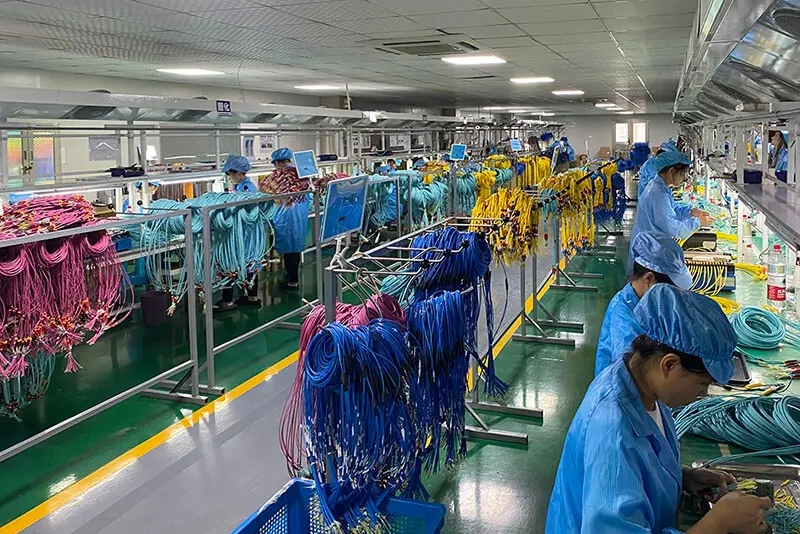
Quick ODN replaces most on-site splicing with pre-connectorized cables prepared in the factory. These cables are manufactured under controlled conditions and tested before delivery. At the installation stage, connections are made simply by plugging connectors into adapters.
This approach:
- Speeds up installation
- Reduces dependence on skilled labor
- Ensures consistent optical performance
2. Unequal Ratio Splitters
In traditional ODN networks, optical splitters typically distribute power evenly (for example, 1:8 or 1:16). While simple, this approach does not always match real-world deployment needs.
Quick ODN improves this by introducing unequal ratio splitters, which allocate optical power based on network structure rather than dividing it equally.
A common example is a 70/30 split:
- Around 70% of the optical power is forwarded to downstream nodes, allowing the signal to continue along the network
- The remaining 30% is used locally, either to serve nearby users directly or to be further split at the next level
This cascading distribution model offers several practical benefits:
- Better fiber utilization – fewer backbone fibers are required to cover larger areas
- Optimized signal delivery – ensures sufficient optical power for both near and far users
- More flexible network design – adapts to different density scenarios (rural, suburban, urban)
Instead of treating every node equally, unequal splitting allows the network to follow actual user distribution and deployment logic.
In many FTTH projects, this approach can significantly reduce cable usage while maintaining stable signal performance across multiple levels of the network.
3. Fully Sealed Network Design
In traditional ODN systems, frequent opening of enclosures can compromise long-term reliability.
Quick ODN adopts a sealed design:
- Internal components are pre-installed and sealed in the factory
- External interfaces allow connection without opening the box
- Unused ports are protected
Since most network failures occur at connection points, reducing field operations significantly improves stability.
Quick ODN vs Traditional ODN
The difference between traditional ODN and Quick ODN can be clearly seen in how networks are built and maintained.
| Aspect | Traditional ODN | Quick ODN |
|---|---|---|
| Installation | On-site splicing required | Plug-and-play connection |
| Deployment speed | Slower, labor-intensive | Faster, more efficient |
| Skill requirement | Highly skilled technicians | Standard installation teams |
| Reliability | Depends on field workmanship | Factory-controlled quality |
| Maintenance | Frequent box opening | Minimal intervention |
While both approaches can deliver functional networks, Quick ODN offers clear advantages when speed, consistency, and scalability are priorities.
Where Quick ODN Is Most Useful

Quick ODN is particularly suitable for:
- FTTH rollout in new residential areas
- Rural and low-density deployments
- Rapid network expansion projects
- Temporary or emergency network setups
In these situations, reducing construction complexity can make a significant difference in both project duration and cost.
How to Choose the Right Quick ODN Solution
When selecting a Quick ODN solution, consider:
- User density (2/4/8/16 port terminals)
- Deployment distance
- Project scale
The goal is to match the network design with real deployment conditions, rather than applying a one-size-fits-all solution.
Why More Contractors Are Choosing Quick ODN
For contractors and distributors, Quick ODN offers more than just technical advantages.
It also changes how projects are delivered.
Compared with traditional methods, Quick ODN:
- Reduces dependence on highly specialized labor
- Makes installation more standardized and easier to manage
- Lowers the risk of installation errors
- Improves overall project efficiency
In many cases, this means projects can be completed faster, with more predictable outcomes and fewer post-installation issues.
Frequently Asked Questions (FAQ)
Why has the fiber optic cable price increased so much in 2026?
The biggest advantage of Quick ODN is speed and simplicity.
Instead of performing complex fiber splicing on-site, most components are pre-terminated and tested in the factory. This allows installers to deploy the network using plug-and-play connections, reducing installation time, labor requirements, and the risk of human error.
Does Quick ODN require skilled fiber technicians?
Not as much as traditional ODN.
Because Quick ODN minimizes on-site splicing, the installation process becomes more standardized. In many cases, general installation teams can complete the deployment without advanced fiber splicing skills, which helps reduce labor dependency and project cost.
Is Quick ODN suitable for rural or low-density areas?
Yes, Quick ODN is especially suitable for rural and low-density deployments.
Its modular design and use of unequal ratio splitters allow efficient use of fiber resources, making it possible to cover larger areas with fewer cables. This helps reduce both material and construction costs in remote locations.
How reliable is a pre-connectorized ODN system?
Quick ODN systems are generally more reliable than traditional ones.
Since most connections are completed in the factory under controlled conditions, the quality is more consistent. In addition, sealed enclosures reduce the need for repeated opening, which helps prevent environmental damage and long-term failures.
Can Quick ODN be expanded after initial deployment?
Yes, Quick ODN is designed with scalability in mind.
New users can be added by connecting additional pre-terminated drop cables to existing ports, without major reconstruction or fiber splicing. This makes it easier to expand the network as demand grows.
Final Thoughts
As fiber networks continue to expand, the way they are built is evolving.
Quick ODN represents a shift from labor-intensive, field-based construction to a more efficient, factory-driven approach. By combining pre-connectorized components, optimized signal distribution, and sealed system design, it simplifies deployment while improving reliability.
For modern FTTH projects, especially those requiring speed and scalability, Quick ODN is becoming an increasingly practical solution.