
Se ti stai avvicinando per la prima volta al mondo della fibra ottica, tutti i termini tecnici e le abbreviazioni possono sembrare un po’ opprimenti. Ecco perché ho creato questa serie di glossari sulla fibra ottica: per aiutarti a capire cosa significano davvero questi termini, nel modo più semplice possibile.
Ti spiegherò tutto dal punto di vista di un addetto ai lavori, utilizzando foto reali ogni volta che sarà possibile (non solo rendering elaborati). Eviterò inoltre spiegazioni eccessivamente complesse, mantenendo un linguaggio chiaro e diretto, così potrai essere certo di aver compreso il vero significato di questi termini dopo la lettura.
Termini correlati relativi alla fibra ottica
Ecco alcune altre voci del glossario sulla fibra ottica che potrebbero esserti utili. Clicca per saperne di più:
Oggi parleremo di: FTTH.
INDICE
Allora, cos’è l’FTTH?
Cerchiamo di non complicare le cose:
FTTH è l'acronimo di Fiber To The Home — significa che il cavo in fibra ottica arriva direttamente dalla rete fino a casa tua.
A differenza dei vecchi sistemi a banda larga che utilizzano il rame per l'ultimo tratto, la tecnologia FTTH offre un Collegamento in fibra 100%, direttamente a casa tua. Senza intermediari, senza intoppi.
Ecco perché è considerato il il tipo di connessione a Internet più veloce e affidabile disponibile da oggi.
Cosa significa davvero FTTH per te?
Per la maggior parte delle persone, FTTH significa:
Download e upload ultraveloci
Streaming video fluido in HD/4K
Nessun rallentamento durante le partite online o le videochiamate
Sistemi di domotica affidabili
Una larghezza di banda a prova di futuro per qualsiasi novità a venire
Non si tratta solo di “Internet più veloce”. È un’esperienza digitale completamente nuova, che entra a far parte della tua vita.

Come funziona la tecnologia FTTH?
Ecco l'idea di base:
Cavi in fibra ottica sono posate sottoterra o aeree e si estendono dall'ufficio di telecomunicazioni fino a casa tua.
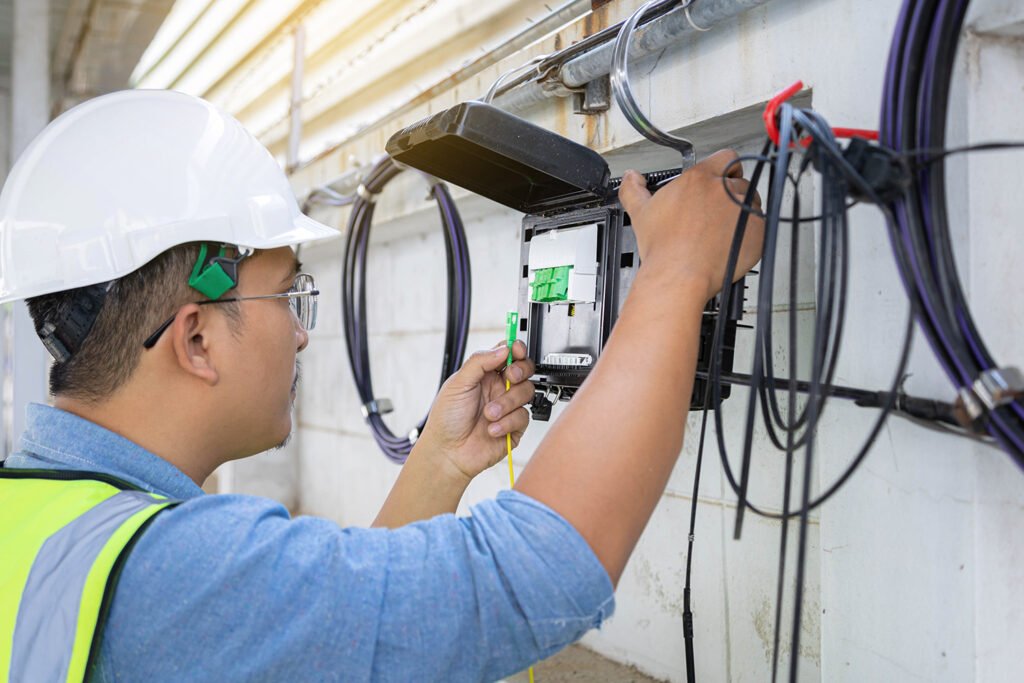
Lungo il percorso, il segnale attraversa dispositivi quali OLT (Terminale di linea ottico) presso la sede centrale, e attraversa un ODN (Rete di distribuzione ottica) — una catena che può comprendere divisori di fibra ottica, chiusure a giunzione, e scatole di distribuzione. Questi componenti consentono di distribuire il segnale in fibra ottica a numerose abitazioni come la vostra.
Una volta che la fibra arriva a casa tua, si collega a un piccolo dispositivo chiamato ONT (Terminale di rete ottica), solitamente installati all'interno o nelle vicinanze della propria abitazione.
L'ONT si collega al tuo router Wi-Fi e, in un attimo, sei online con la fibra ad alta velocità!
Che tipo di fibra viene utilizzata nella tecnologia FTTH?
Le reti FTTH utilizzano in genere fibra monomodale — noto per le sue capacità di percorrere lunghe distanze ad alta velocità.
Tra i tipi più comunemente utilizzati figurano:
G.652D – Fibra monomodale standard, ideale per la maggior parte delle installazioni
G.657A – Fibra insensibile alla flessione, utilizzata all’interno di edifici o abitazioni
Queste fibre consentono velocità ben superiori a 1 Gbps, con la possibilità di raggiungere 10 Gbps o più, a seconda dell'attrezzatura.
FTTH rispetto ad altri tipi di fibra ottica
Forse ne avete già sentito parlare FTTB, FTTC, oppure FTTN — tutti si fermano da qualche parte vicino a a casa tua, ma non dentro casa tua.
L'FTTH è diverso:
| Tipo di termine | Fermate a | Collegamento finale | Velocità e stabilità |
|---|---|---|---|
|
FTTN |
Nodo di quartiere |
Rame/DSL |
Il più lento |
|
FTTC |
Armadio da strada |
Rame |
Medio |
|
FTTB |
Seminterrato dell'edificio |
Ethernet/rame |
Bene |
|
FTTH |
All'interno della tua casa |
Fibra |
Il migliore |
Perché la tecnologia FTTH è importante nel settore delle telecomunicazioni?
Perché è il punto di riferimento.
Gli operatori di telecomunicazioni apprezzano molto la tecnologia FTTH perché:
Supporta larghezza di banda enorme (per oggi e per il futuro)
È richiede poca manutenzione — la fibra dura decenni
È ad alta efficienza energetica
Esso si adatta facilmente per le nuove tecnologie come lo streaming in 8K, l’IoT e le città intelligenti
I paesi che investono in reti FTTH su scala nazionale stanno realizzando le infrastrutture digitali fondamentali per il futuro.
È difficile installare la rete FTTH?
L'installazione è semplice ma richiede una pianificazione:
All'esterno: La fibra ottica viene posata sottoterra o in aria per raggiungere le abitazioni.
All'interno: I tecnici praticano un piccolo foro e installano il dispositivo ONT.
Configurazione: Basta collegare ONT al router e il gioco è fatto.
La sfida più grande? Costo iniziale delle infrastrutture. Ma una volta installato, vale ogni centesimo speso.
In sintesi
FTTH = Fibra direttamente a casa tua.
Niente rame. Nessuna larghezza di banda condivisa. Solo velocità incredibile e connessione stabile.
È la scelta ideale per chiunque voglia puntare sul massimo delle prestazioni digitali — che si tratti di lavorare da casa, giocare, guardare contenuti in streaming o realizzare una casa intelligente.
Se qualcuno ti chiede: “Cos’è la connessione Internet FTTH?”, ora sai esattamente cosa rispondere.
Hai ancora domande?
Se hai ancora qualche dubbio, non esitare a contattarci.
Vuoi scoprire altri termini relativi alla fibra ottica? Dai un’occhiata alla sezione del nostro blog.
Se il termine che stai cercando non è ancora presente, fammelo sapere: lo aggiungerò alla lista delle priorità!
Infine, se siete un operatore di telecomunicazioni, un gestore di rete o siete attivi nello sviluppo di infrastrutture in fibra ottica e cercate un partner affidabile nel settore dei componenti in fibra ottica, non esitate a contattarci.