
Se ti stai avvicinando per la prima volta al mondo della fibra ottica, tutti i termini tecnici e le abbreviazioni possono sembrare un po’ opprimenti. Ecco perché ho creato questa serie di glossari sulla fibra ottica: per aiutarti a capire cosa significano davvero questi termini, nel modo più semplice possibile.
Ti spiegherò tutto dal punto di vista di un addetto ai lavori, utilizzando foto reali ogni volta che sarà possibile (non solo rendering elaborati). Eviterò inoltre spiegazioni eccessivamente complesse, mantenendo un linguaggio chiaro e diretto, così potrai essere certo di aver compreso il vero significato di questi termini dopo la lettura.
Oggi parleremo di: ODN (Rete di distribuzione ottica)
INDICE
Che cos’è una rete di distribuzione ottica (ODN)?
Quando si parla di Internet in fibra ottica, la maggior parte delle persone immagina una linea retta che parte dal fornitore di servizi e arriva direttamente a casa propria. In realtà, però, c’è un intero “livello intermedio” che rende possibile tutto questo: si tratta della rete di distribuzione ottica (ODN).
L'ODN è sostanzialmente tutto ciò che sta in mezzo: la rete fisica di cavi e componenti passivi che trasportano i segnali ottici dal provider OLT (Terminale di linea ottico) fino a... ONU/ONT (i dispositivi presenti nella tua abitazione o nel tuo ufficio).
In altre parole:
- L'ODN rappresenta il “middle mile” della rete in fibra ottica.
- Collega il cervello centrale (OLT) con i dispositivi lato utente (ONU/ONT).
- Comprende cavi in fibra ottica, splitter, connettori, adattatori, pannelli di permutazione e scatole di distribuzione.
Pensate all’ODN come alla rete autostradale del mondo della fibra ottica. Senza di essa, i dati non avrebbero modo di viaggiare dalla centrale alle singole abitazioni e alle aziende.
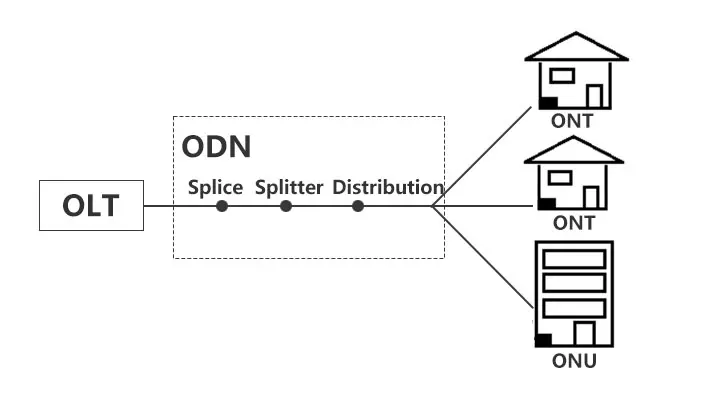
Componenti di una rete ODN
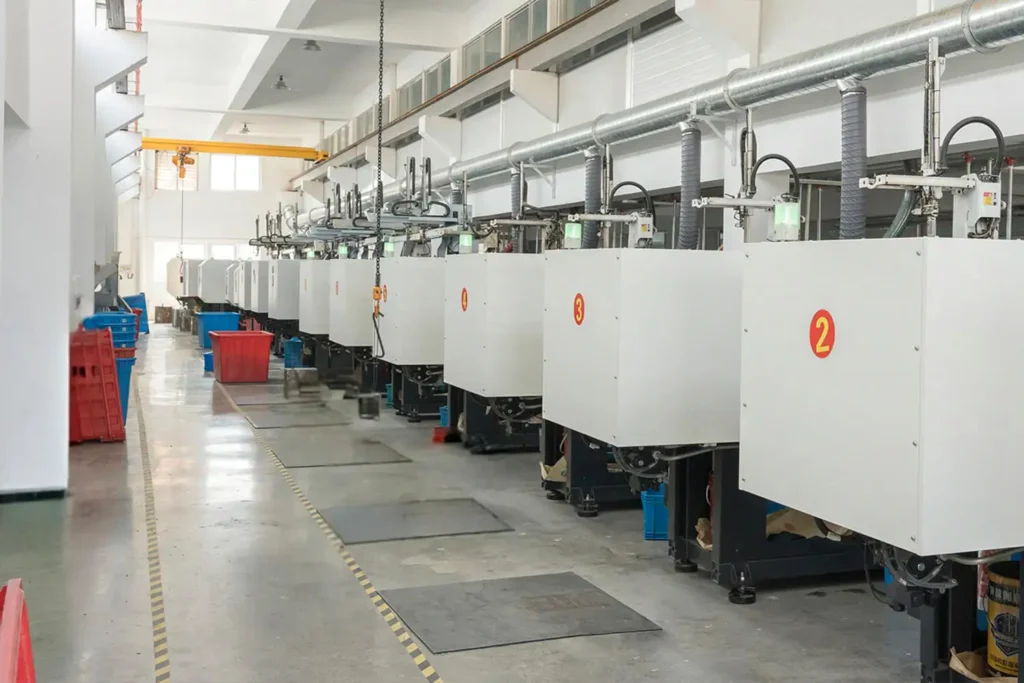
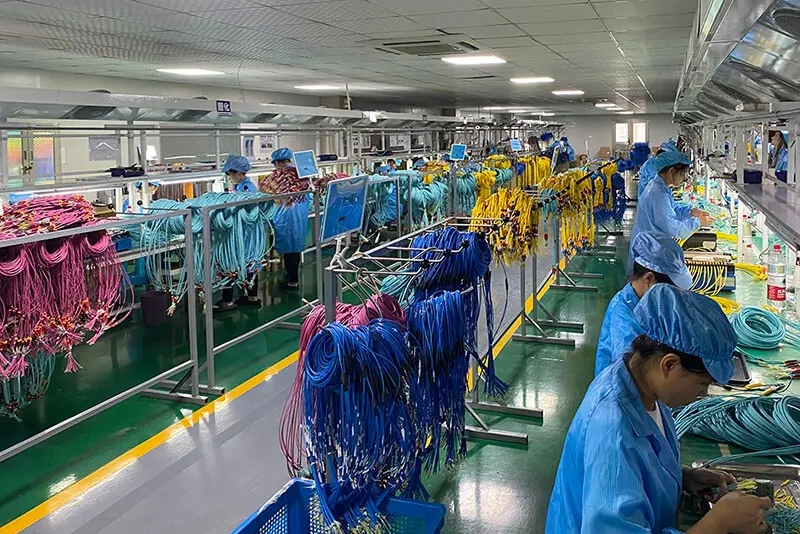
L'ODN non è un singolo dispositivo, bensì un insieme di numerosi componenti passivi che operano in sinergia. Ciascuno di questi componenti svolge un ruolo specifico nel garantire una trasmissione in fibra ottica fluida e affidabile. Inoltre, il nostro stabilimento produce quasi tutti questi prodotti, il che significa che forniamo una soluzione completa e integrata per la realizzazione della vostra rete ODN.
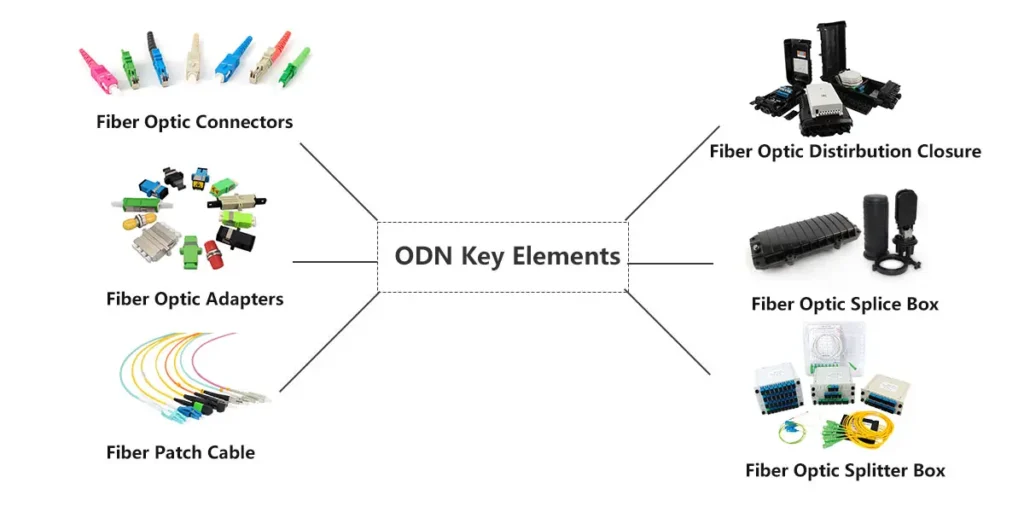
Ecco gli elementi chiave:
- Connettori per fibra ottica – Si tratta dei “connettori” che consentono di collegare o scollegare rapidamente le fibre. I connettori di alta qualità garantiscono una bassa perdita di segnale e prestazioni stabili.
- Adattatori per fibre ottiche – Consideratele come le “prese” in cui si innestano i connettori. Allineano con precisione i due connettori in modo che la luce possa passare senza ostacoli.
- Chiusure per giunzioni in fibra ottica – Questi involucri protettivi proteggono le giunzioni in fibra ottica dai danni causati dagli agenti esterni (come acqua, polvere o sollecitazioni). Sono fondamentali per le installazioni all’aperto e sotterranee.
- Scatole di distribuzione in fibra ottica / Scatole di derivazione – Si tratta di una sorta di mini-centri di distribuzione, che raggruppano più fibre ottiche e spesso ospitano splitter ottici che distribuiscono i segnali ai diversi utenti.
- Cavi di collegamento in fibra ottica – Chiamati anche cavi di collegamento in fibra, questi cavi corti collegano i componenti ODN a dispositivi attivi quali ONU, ONT o switch. Cavi di collegamento affidabili garantiscono una connettività stabile per l'utente finale.
Insieme, questi componenti costituiscono la “spina dorsale” dell’ODN. Scegliendo componenti di qualità provenienti da un unico produttore, gli operatori di rete possono risparmiare tempo, ridurre i costi e garantire prestazioni costanti su tutto il sistema.
Come funziona un ODN?
Ecco una spiegazione dettagliata, passo dopo passo, di come una rete ODN fornisce la connessione Internet in fibra ottica a casa tua:
- Dall'OLT alla fibra di alimentazione
Il percorso ha inizio presso l’OLT nella centrale del fornitore di servizi. I segnali luminosi vengono trasmessi nelle fibre di alimentazione, ovvero i cavi ottici principali che partono dalla centrale. - Fase di distribuzione
Queste fibre di alimentazione si collegano ai quadri di distribuzione ottica e agli splitter. Qui, il singolo segnale ottico viene suddiviso in più percorsi, consentendo a un unico sistema centrale di servire numerosi utenti. - Connessione in fibra ottica
Dai punti di distribuzione, delle “fibre di derivazione” più sottili si diramano verso le singole abitazioni o gli edifici. - Disconnessione presso l'ONU/ONT
Infine, l’ODN trasmette il segnale ottico all’ONU o all’ONT presso la sede del cliente, dove viene convertito in dati utilizzabili.
In sintesi, l’ODN è l’infrastruttura di collegamento che garantisce che i segnali ottici possano essere trasmessi in modo affidabile da un punto centrale a centinaia o addirittura migliaia di utenti finali.
L'ODN nel settore delle telecomunicazioni: perché è importante
Potresti sentire spesso parlare del termine ODN nel settore delle telecomunicazioni. In parole povere, nelle reti di telecomunicazione l’ODN è fondamentale perché:
- Determina l'efficienza con cui è possibile implementare la rete.
- Influisce sulla qualità del segnale che arriva ai tuoi dispositivi.
- Determina la facilità con cui la rete può essere ampliata per servire un numero maggiore di utenti.
Senza una rete ODN progettata correttamente, anche l’OLT più veloce o l’ONT più avanzato risulterebbero inutili, poiché lo “strato intermedio” della rete bloccherebbe o indebolirebbe il segnale.
Caratteristiche principali e vantaggi di ODN
La rete di distribuzione ottica è stata progettata all’insegna della semplicità e della scalabilità. Poiché è costituita prevalentemente da componenti passivi (senza componenti elettronici attivi al centro), offre alcuni chiari vantaggi:
- Richiesta di manutenzione ridotta – Non è necessario alcun alimentatore attivo sul campo.
- Conveniente – I componenti passivi, come gli splitter e le chiusure, sono più economici e più facili da installare.
- Altamente affidabile – Un numero inferiore di dispositivi attivi comporta un minor rischio di guasti.
- Scalabile – È facile aggiungere altri utenti semplicemente estendendo le fibre ottiche o aggiungendo splitter.
- Implementazione flessibile – ODN può essere personalizzato per FTTH, FTTB, FTTC o FTTO a seconda delle esigenze di rete.
ODN rispetto alle reti di distribuzione attive
Nel settore delle telecomunicazioni, capita spesso di sentire il confronto tra ODN (Optical Distribution Network, rete di distribuzione ottica) e reti di distribuzione attive. La differenza risiede principalmente nel fatto che la parte centrale della rete utilizzi componenti passivi o dispositivi attivi.
Ecco una semplice tabella comparativa:
| Aspetto | ODN (Rete di distribuzione ottica) | Rete di distribuzione attiva |
|---|---|---|
|
Componenti principali |
Componenti passivi (cavi in fibra ottica, splitter, chiusure, adattatori, ecc.) |
Dispositivi attivi (switch, amplificatori, ripetitori) |
|
Requisiti di alimentazione |
Non è necessaria alcuna alimentazione sul campo |
Richiede un'alimentazione elettrica continua |
|
Manutenzione |
Basso – minor numero di punti di guasto |
I dispositivi più vecchi e in uso richiedono monitoraggio e sostituzione |
|
Costo |
Parte inferiore (principalmente parti passive) |
Più elevato (a causa delle apparecchiature in funzione) |
|
Scalabilità |
Facile da espandere con splitter e fibre ottiche |
Più complesso: l'adattamento alle diverse dimensioni richiede ulteriori unità motorizzate |
|
Caso d'uso tipico |
Reti PON (FTTH, FTTB, FTTC, FTTO) |
Sistemi legacy o situazioni in cui è necessario amplificare il segnale |
Domande frequenti: Domande comuni su ODN
Cosa significa ODN nel settore delle telecomunicazioni?
Nel settore delle telecomunicazioni, con il termine ODN (Optical Distribution Network, rete di distribuzione ottica) si intende la rete in fibra ottica passiva che collega l’OLT nella centrale all’ONU/ONT presso l’utenza. Comprende tutti i cavi, gli splitter, i connettori e le scatole presenti lungo il percorso.
ODN è una rete attiva o passiva?
L'ODN è una rete passiva. Non contiene dispositivi attivi che richiedono alimentazione. Si avvale invece di splitter ottici, connettori e fibre ottiche per trasmettere i segnali.
Quali componenti sono inclusi in un ODN?
Una rete ODN è generalmente costituita da cavi in fibra ottica, splitter, scatole di giunzione, scatole di distribuzione, pannelli di permutazione, connettori, adattatori e cavi di collegamento, tutti elementi che svolgono un ruolo fondamentale nell'instradamento e nella protezione del segnale.
Perché l'ODN è importante nelle reti ottiche passive (PON)?
L'ODN costituisce la spina dorsale di una rete PON. Senza un ODN progettato correttamente, l'OLT non è in grado di servire in modo efficiente più utenti e i segnali ottici potrebbero subire perdite o una distribuzione inadeguata.
Le reti ODN potranno essere aggiornate in futuro?
Sì. Le reti ODN sono progettate per essere scalabili. Aggiornando gli splitter, le fibre ottiche e le apparecchiature di connessione, le reti ODN possono supportare tecnologie di nuova generazione come il 10G PON o persino l’NG-PON2.
In sintesi
La rete di distribuzione ottica (ODN) è l’eroe sconosciuto della banda larga in fibra ottica. Costituisce il “miglio intermedio” tra la centrale dell’operatore e l’abitazione o l’ufficio del cliente, trasportando i segnali ottici in modo affidabile ed efficiente.
Costituita da componenti passivi quali connettori, adattatori, scatole di giunzione, scatole di distribuzione, cavi di collegamento e pannelli di permutazione, la rete ottica (ODN) garantisce che i dati ad alta velocità viaggino senza intoppi dal fornitore all’utente finale.
Grazie alla sua bassa manutenzione, all’elevata affidabilità e alla facile scalabilità, l’ODN rimane un pilastro fondamentale delle moderne infrastrutture di telecomunicazione. Che si tratti di realizzare sistemi FTTH, FTTB o FTTC, un ODN ben progettato è la base per il successo.
Hai ancora domande?
Se hai ancora qualche dubbio, non esitare a contattarci.
Vuoi scoprire altri termini relativi alla fibra ottica? Visita il nostro sezione blog.
Se il termine che stai cercando non è ancora presente, fammelo sapere: lo aggiungerò alla lista delle priorità!
Infine, se siete un operatore di telecomunicazioni, un gestore di rete o siete attivi nello sviluppo di infrastrutture in fibra ottica e cercate un partner affidabile nel settore dei componenti in fibra ottica, non esitate a contattarci.