

In early 2026, the fiber optic industry experienced a sharp rise in cable prices. But beyond fiber itself, another important shift is happening — component prices are also increasing across the board.
Driven by ongoing geopolitical tensions and rising raw material costs, especially plastics (which have increased by over 30%), fiber optic components such as connectors, adapters, and FTTH boxes are entering a new pricing cycle.
As a source factory specializing in fiber optic connectors, adapters, and fiber optic boxes, YingFeng Communication has been directly affected by this round of raw material price increases and has made slight adjustments to product pricing accordingly.
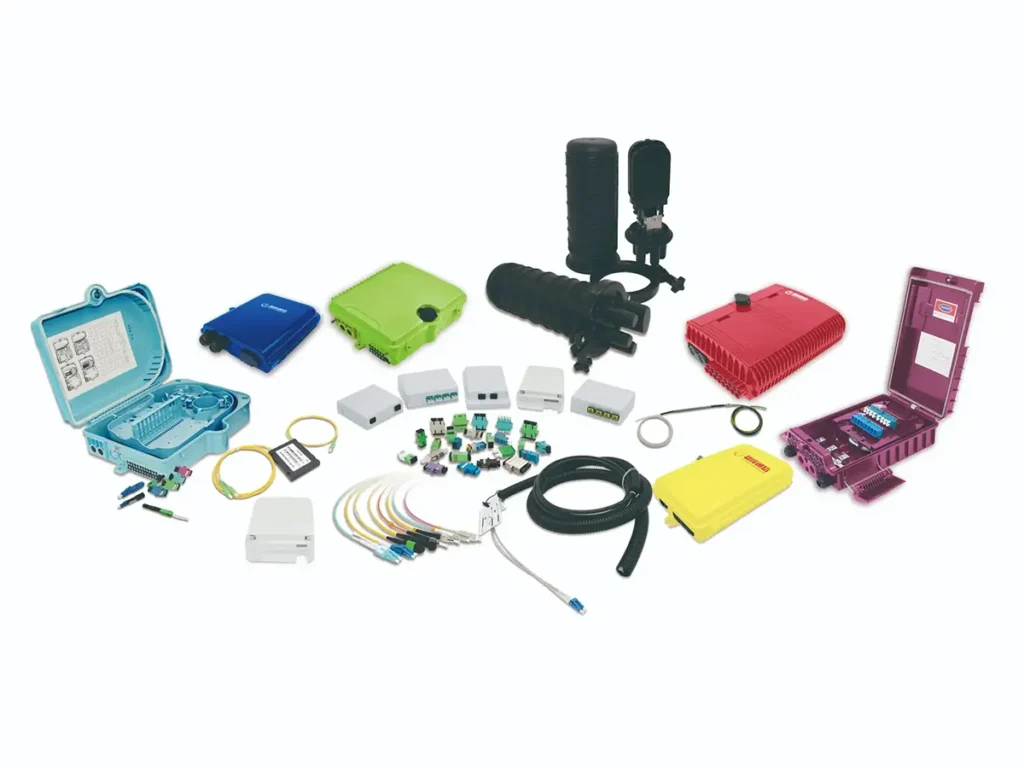
TABLE OF CONTENTS
Why Prices Are Increasing in 2026
Unlike short-term fluctuations, the current price increase is rooted in broader global factors.
Key drivers include:
- Ongoing geopolitical conflicts affecting global supply chains
- Rising oil and petrochemical costs impacting plastic production
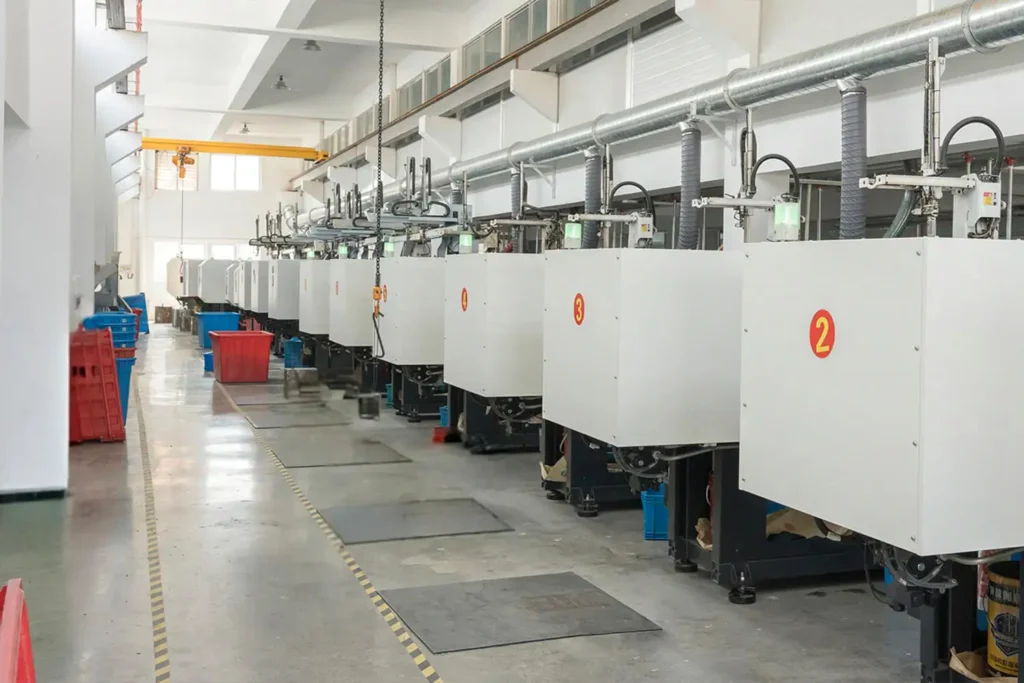
- Increased manufacturing costs in injection molding processes
Among all materials, plastic has seen the most significant increase — over 30%, making it the primary factor behind recent component price adjustments.
Fiber vs Components
One important thing to understand is that fiber optic components do not follow the same pricing logic as fiber cables.
Fiber optic cable prices can fluctuate rapidly, sometimes changing within days or weeks due to upstream supply constraints (such as fiber preform shortages).
In contrast, component pricing tends to be more stable.
Most manufacturers adjust prices based on long-term material cost trends, not short-term market volatility. In practice, this means:
- Prices are usually updated quarterly or annually
- Sudden spikes are rare
- But once prices increase, they tend to stay elevated for longer
This is exactly what we are seeing in 2026.
Factory Price Changes (April 2026 Data)
Due to the wide variety of product types, sizes, and configurations — for example, connector components may include dust caps, housings, inner parts, crimp rings, and boots — as well as exchange rate fluctuations, it is not possible to provide exact pricing for every item.
The following data represents typical factory price ranges based on recent adjustments.
For specific quotations, please contact us.
Fiber Optic Connector Components (LC / SC / FC / ST)
| Type | Before (USD) | After (USD) | Increase |
|---|---|---|---|
| LC Components | $0.014–0.043 | $0.014–0.051 | ~15% |
| SC Components | $0.014–0.087 | $0.014–0.094 | ~10% |
| FC Components | $0.014–0.036 | $0.014–0.043 | ~10% |
| ST Components | $0.014–0.036 | Stable | — |
Fiber Optic Adapters
| Type | Before (USD) | After (USD) | Increase |
|---|---|---|---|
| SC Adapters | $0.043–0.435 | $0.043–0.483 | ~10% |
| LC Adapters | $0.087–0.580 | Stable | — |
FTTH Boxes & Fiber Distribution Boxes
| Type | Before (USD) | After (USD) | Increase |
|---|---|---|---|
| 1–4 Port Outlet | $0.188–0.290 | $0.217–0.304 | ~10% |
| 8–24 Core Box | $2.90–7.25 | $3.04–7.97 | 10–15% |
Why Factory Prices Matter
As a manufacturer focused on connectors, adapters, and FTTH products, YingFeng operates close to the production side of the supply chain.
Our pricing adjustments are based on actual material and manufacturing cost changes, rather than purely market-driven fluctuations.
In practice, when production costs increase at the factory level, these changes are gradually reflected throughout the supply chain — including distributors and project-level pricing.
What This Means for Buyers
For buyers, the impact of this price adjustment is not sudden volatility, but a steady shift in baseline costs.
Key implications:
- Price increases are moderate but persistent
- Short-term stability does not mean prices will return to previous levels
- Planning procurement in advance can help manage cost risks
Price Outlook for 2026
As of now, fiber optic cable prices have temporarily stabilized, but they remain at a relatively high level. A true downward trend is likely to begin only after production capacity expansion is completed across major fiber manufacturers.
For fiber optic components, the situation is slightly different.
Although plastic raw material costs have increased by over 30%, actual product price adjustments at the factory level have been controlled within approximately 5% to 15%.
This is because manufacturers have absorbed part of the cost pressure, helping to keep overall price changes relatively moderate.
Outlook:
- Short term (2026 H1): Prices remain stable at a relatively high level
- Mid term (after capacity expansion): Potential gradual easing
- Components: Expected to remain stable with limited fluctuation
Final Thoughts
Compared to fiber optic cable price volatility, the increase in component pricing is more gradual — but equally important.
Driven by rising material costs, especially plastics, this adjustment reflects a broader shift in the industry’s cost structure.
For buyers and project planners, understanding these changes can help make more informed decisions — particularly when working with plastic-intensive products such as connectors, adapters, and FTTH boxes.
 English
  French
  German
  Spanish
  Arabic
  Turkish
  Japanese
  Russian
  Portuguese