

If you’re just stepping into the world of fiber optics, all the technical terms and abbreviations can feel overwhelming. That’s why I created this fiber glossary series — to help you understand what these terms really mean, in the simplest way possible.
I’ll explain everything from an industry insider’s point of view, using real photos whenever I can (not just fancy renders). I also avoid overly complex explanations, keeping the language clear and direct, so you can be confident you’ll understand the real meaning of these terms after reading.
Today, we’re going to talk about: GR-326.
TABLE OF CONTENTS
So what Is GR-326?
Let’s start with the basics.
GR-326 — often written as Telcordia GR-326 CORE — is the industry’s most trusted quality and reliability standard for single-mode fiber optic connectors and jumper assemblies.
Think of GR-326 as a rulebook that tells manufacturers:
“If your connectors want to be trusted in telecom networks, they must pass these performance and reliability tests.”
This standard was originally created by Bellcore/Telcordia and is now one of the benchmarks used worldwide. Even outside North America, people still reference “GR-326-compliant connectors” to indicate high-quality, stable, and long-life components.
What Does GR-326 Cover?
Although the official GR-326 document is long and technical, its main purpose can be understood through three core areas:
1. Optical Performance Requirements
These specifications ensure connectors provide clean and consistent signal transmission:
- Insertion Loss (IL)
- Return Loss (RL)
- Stability over time and temperature
GR-326 gives very clear thresholds for each of these, ensuring the connector performs well not just once, but continuously.
2. Mechanical Reliability Tests
Connectors are not allowed to be fragile. GR-326 puts them through a series of “stress tests” designed to simulate real-life usage, movement, and strain, including:
- Flexing (bend tests)
- Twisting (torsion tests)
- Tensile load (pulling force)
- Vibration
- Impact/shock tests
- 200-cycle mating and unmating durability tests
These tests prove that connectors won’t easily loosen, break, or degrade under normal handling.
3. Environmental Stress Tests
Networks face extreme weather conditions, so GR-326 simulates the toughest possible environments:
- High-temperature aging (85°C)
- High humidity (up to 95% RH)
- Temperature cycling from –40°C to +75°C
- Condensation and moisture tests
- Salt spray and corrosion exposure
- Dust contamination tests
A GR-326-qualified connector must maintain low loss and good return loss through all these conditions.
Why Is GR-326 Important?
Think of a fiber connector as a tiny gateway for light.
This gateway must stay perfectly aligned — otherwise the signal becomes weak, reflected, or completely lost.
GR-326 matters because it ensures:
- Long-term network stability
Connectors passing GR-326 maintain performance for years, not just weeks. - Lower maintenance and fewer failures
No unexpected issues, fewer service calls, and less downtime. - Consistent low-loss performance
Especially important for high-bandwidth or long-haul fiber networks. - A unified global quality benchmark
Network operators worldwide rely on GR-326 for procurement and acceptance testing.
These are the reasons almost every telecom operator and data center prefers or requires GR-326-grade components.
In short, G.657A2 provides maximum flexibility, making it ideal for modern, high-density, and space-constrained installations.
Where Is GR-326 Used?
Because GR-326 focuses on single-mode connectors, it is widely used in:
- FTTH / FTTX deployments
- Telecom central offices (CO)
- High-density ODF panels
- Data center interconnects
- Outdoor fiber enclosures
- Professional field-installations with tough environmental conditions
If you need stable, clean fiber transmission — GR-326 is the standard to follow.
FAQ — Common Questions About GR-326
Is GR-326 mandatory for all connectors?
Not mandatory for every application, but in telecom-grade and data-center-grade networks, it is considered the minimum requirement.
How is GR-326 different from IEC or TIA standards?
IEC/TIA emphasize intermateability (whether connectors fit each other).
GR-326 emphasizes performance and long-term reliability.
Does GR-326 apply to multi-fiber connectors like MPO/MTP?
No.
Multi-fiber connectors follow GR-1435 standards.
Is GR-326 only about connectors?
It covers:
- Connectors
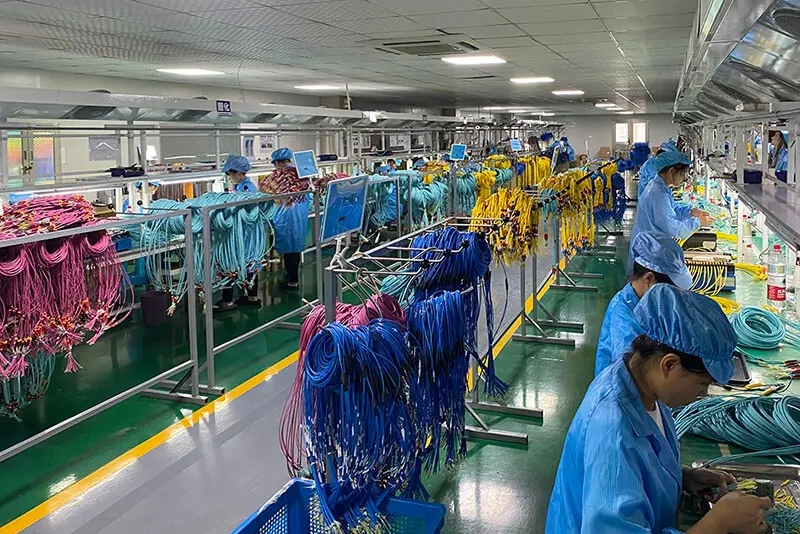
- Patch cord assemblies
- Ferrule geometry
- Environmental and mechanical tests
- Factory assembly and quality control
It’s a very complete performance framework.
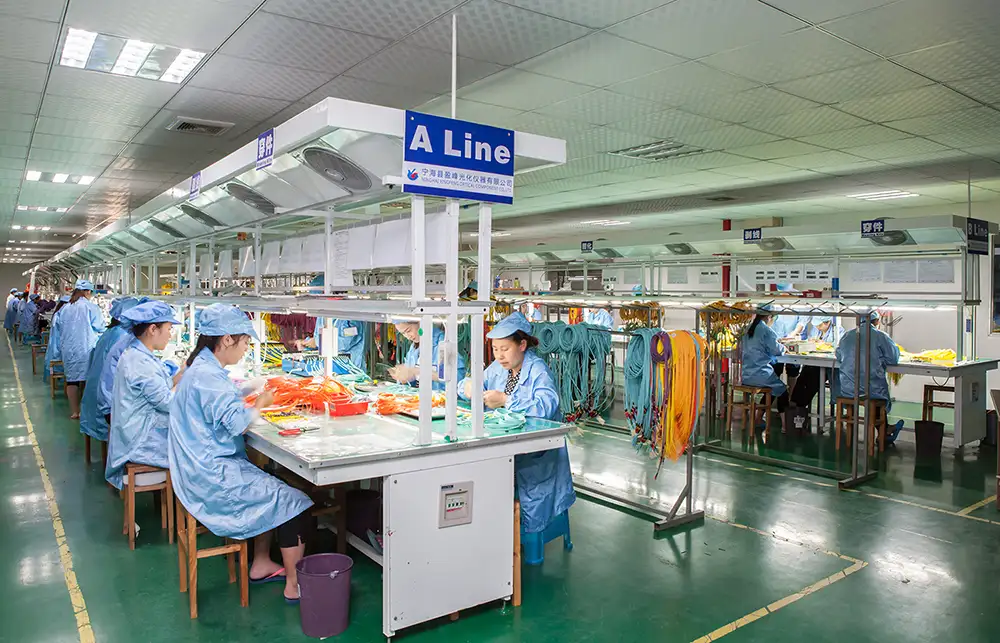
At YingFeng, All Connectors and Patch Cords Meet GR-326 Standards
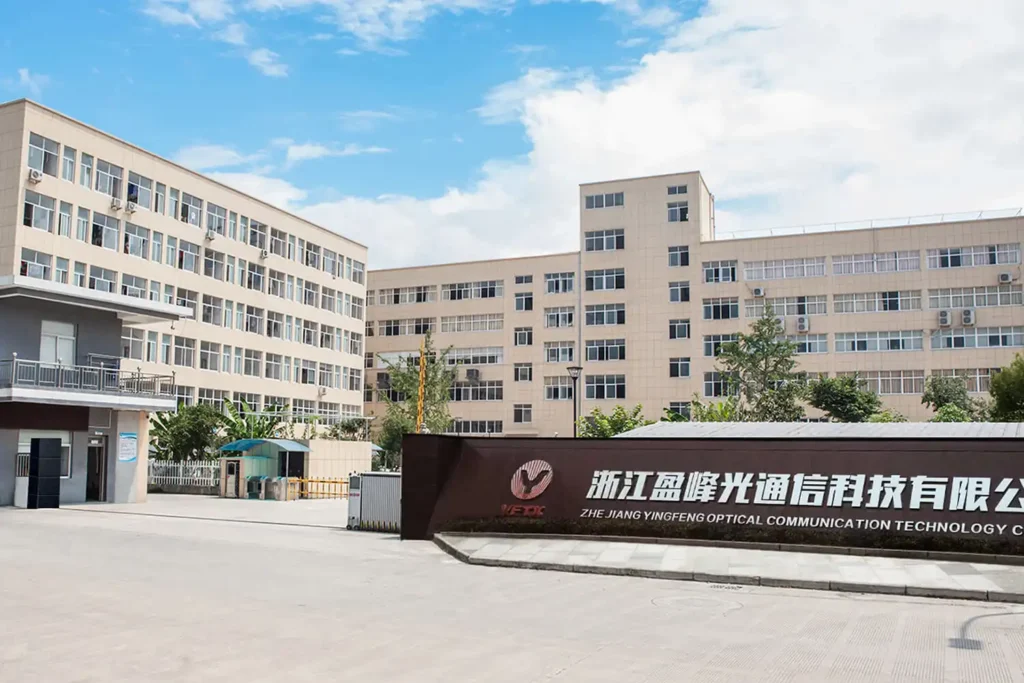
YingFeng is a global leader in fiber optic components manufacturing, with:
- 25 years of experience
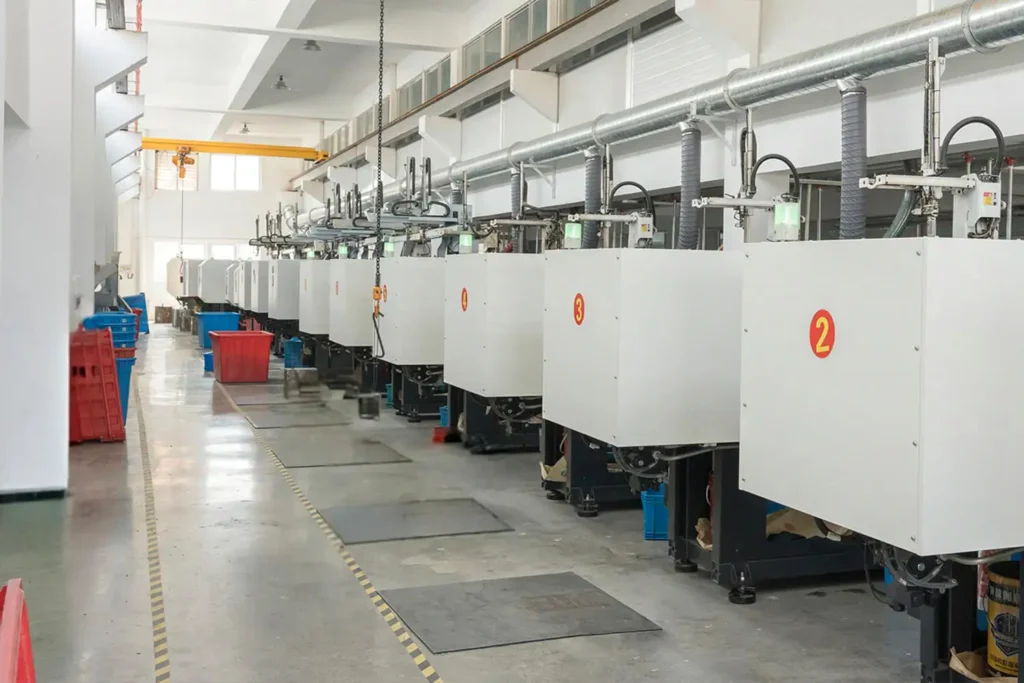
- Two modern factories totaling 40,000+ m²
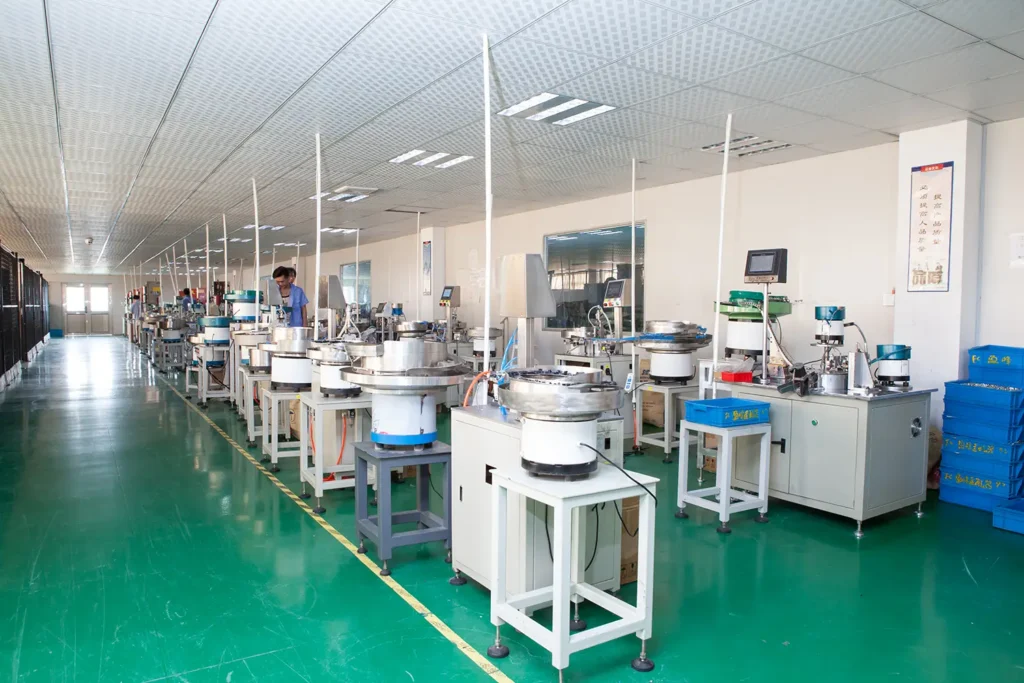
- Full GR-326-compliant testing capabilities
- Automated production lines and precise end-face geometry control
We manufacture SC, LC, FC, ST, APC, UPC connectors, adapters, patch cords, and a wide range of FTTX and data center accessories — all built to meet the strict requirements of GR-326.
Still Have Questions?
If you’re still unsure about something, feel free to reach out.
Want to explore more fiber optic terms? Head over to our blog section.
If the term you’re looking for isn’t covered yet, let me know — I’ll add it to the priority list!
And lastly — if you’re a telecom provider, network operator, or involved in fiber infrastructure development and looking for a reliable partner in fiber optic components — feel free to contact us.
 English
  French
  German
  Spanish
  Arabic
  Turkish
  Japanese
  Russian
  Portuguese