

In the fast-evolving world of fiber-to-the-home (FTTH) deployment, one trend is becoming increasingly clear: more and more projects are adopting pre-terminated fiber solutions.
What started as a niche method for simplifying installations has now become a mainstream strategy for operators looking to speed up rollout times, reduce labor costs, and standardize performance across multiple sites.
But what’s really driving this shift? And are pre-terminated systems always the right choice? Let’s take a closer look.
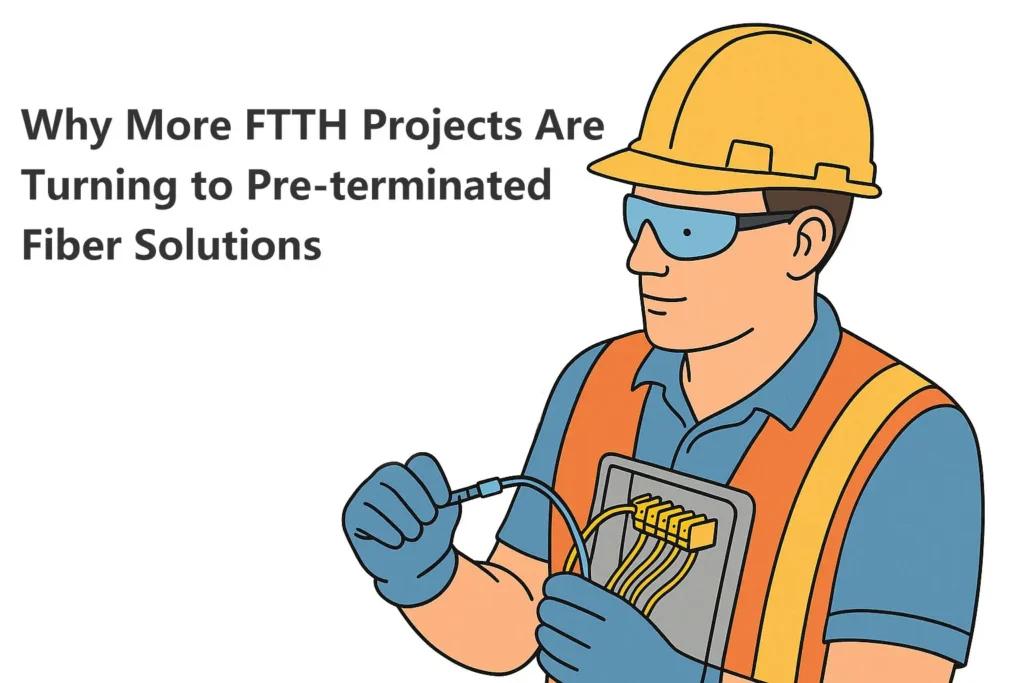
TABLE OF CONTENTS
What Are Pre-terminated Fiber Solutions?
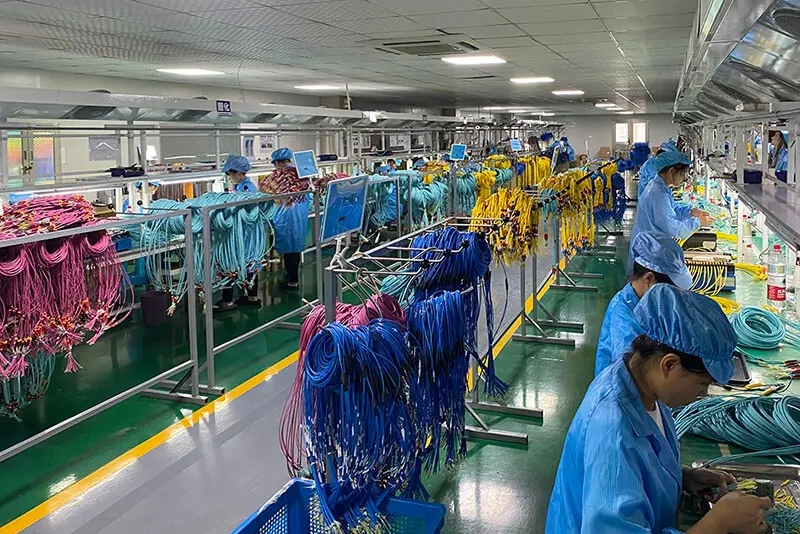
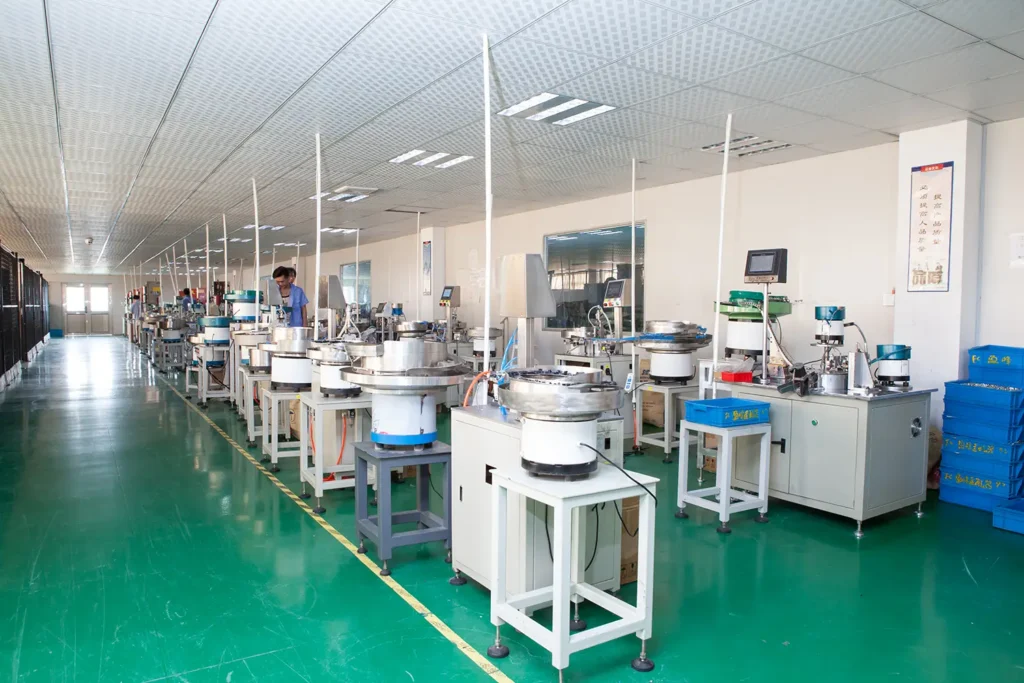
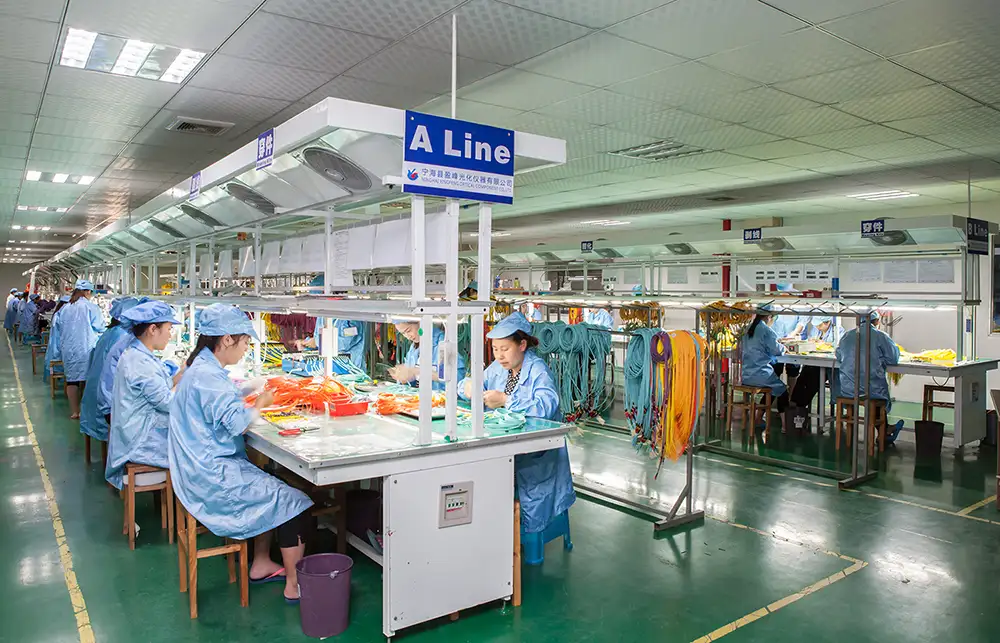
A pre-terminated fiber system — also called pre-connectorized fiber or factory-terminated fiber — is a fiber cable or distribution box that has already been terminated, polished, and tested in a controlled factory environment.
This means that the connectorization work (normally done in the field) is completed before shipment.
Common examples include:
- Pre-terminated fiber drop cables for FTTH installations
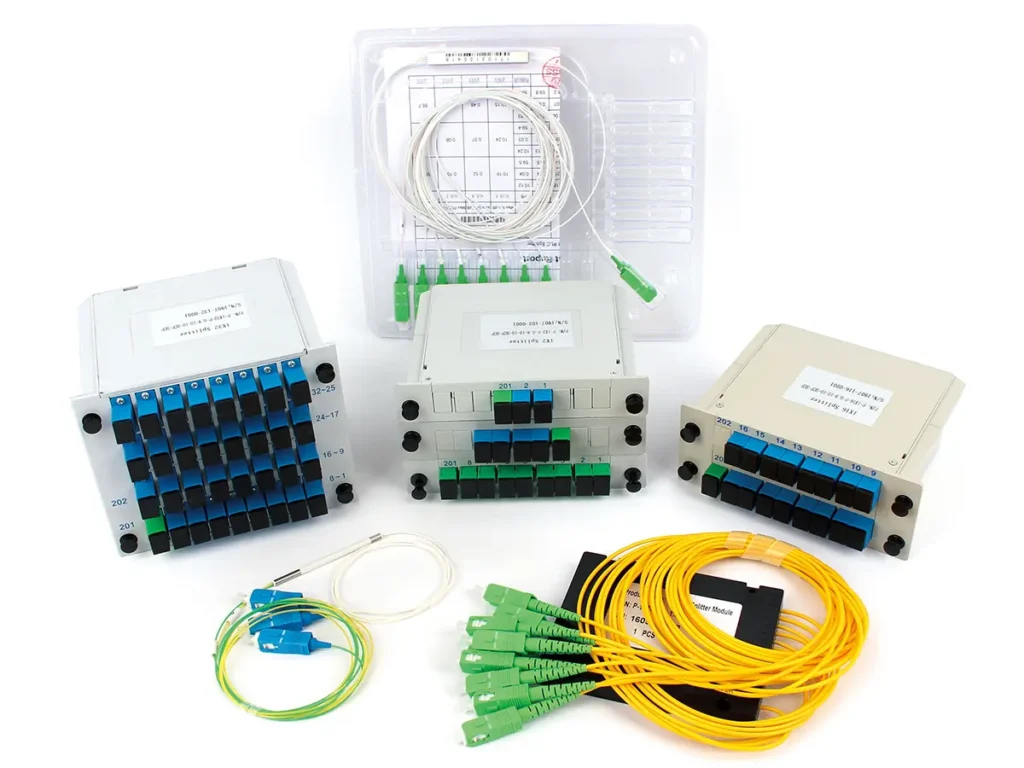
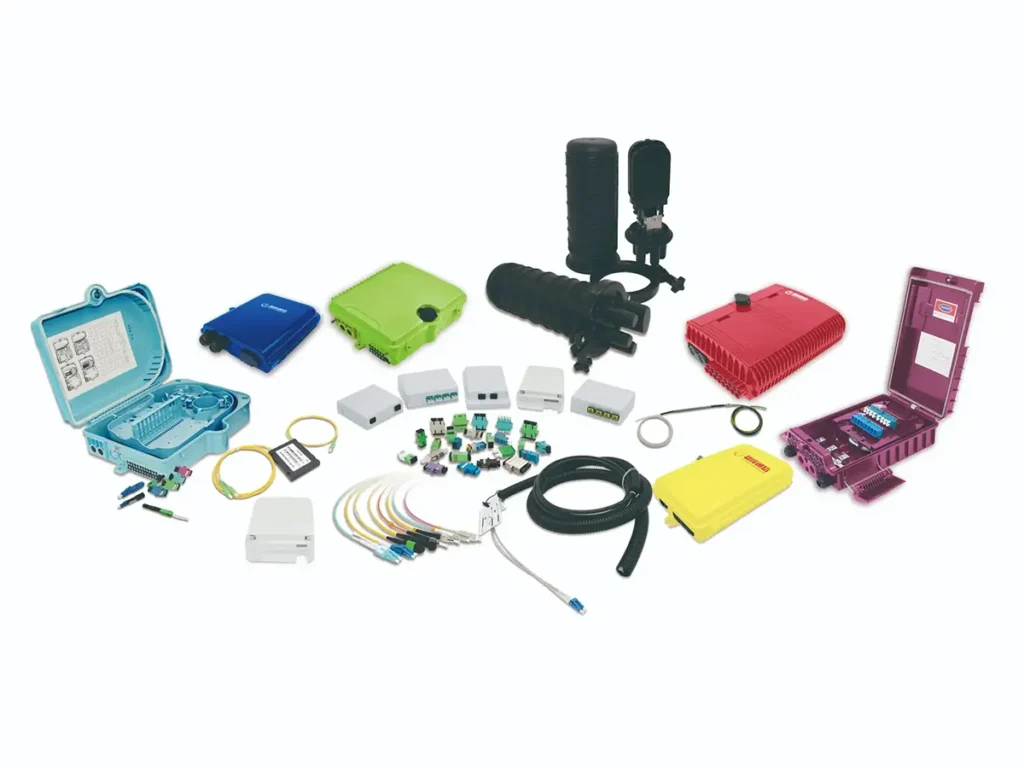
- Pre-terminated splitter boxes or terminals (CTO / MST units)
- Factory-assembled fiber patch cords and pigtails
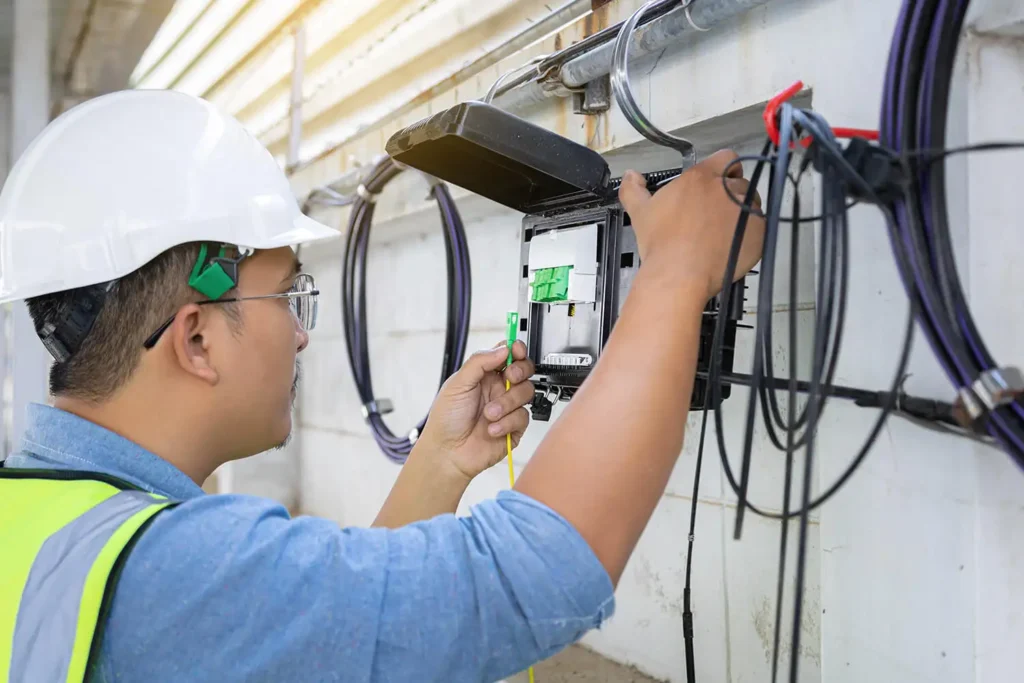
Instead of splicing fibers on-site, the field technician simply plugs the connectors into their designated ports — achieving an “install and go” workflow.
Why Pre-terminated Fiber Is Gaining Popularity
1. Slide the Heat-Shrink Sleeve First
Pre-terminated systems can cut installation time by more than half, especially for last-mile FTTH networks.
Since the connectors are already tested and ready to use, technicians don’t need to carry fusion splicers or spend time on polishing and inspection.
This makes it ideal for mass deployments where hundreds of homes or business drops are installed per day.
As one field installer put it, “You can train a new tech in two weeks and they’re ready to go.”
2. Reduced Skill Requirements
The global shortage of skilled fiber technicians is a growing concern.
Pre-terminated systems address this by allowing less-experienced staff to perform installations reliably, without deep technical training.
This is especially attractive for ISPs in emerging markets or large-scale government FTTH rollouts where training and certification time can slow progress.
3. Consistent Quality Control
Because the fiber connectors are terminated in a clean factory environment, they achieve fusion-level performance in terms of insertion and return loss.
This ensures consistency across every connection point — something that’s much harder to guarantee with field splicing under variable conditions (dust, humidity, cold, etc.).

Real-world Challenges and Limitations
• Cable Length Flexibility
Pre-terminated cables are produced in fixed lengths.
If the design or route changes, you might end up with too much slack or a cable that’s too short to reach the termination point.
This adds complexity to logistics and warehouse management since multiple cable lengths must be stocked.
• Installation in Tight Conduits
Cables with pre-attached connectors can be bulky.
Pulling them through narrow ducts or corners can risk connector damage or increased friction.
Protective pulling socks or larger conduits are often required.
• Environmental Durability
Outdoor FTTH projects rely on waterproof connectors (like OptiTap, Pushlok, or similar).
However, field reports still mention issues with moisture ingress, freezing, and connector wear after repeated cycles.
In harsh weather regions, traditional splicing with sealed closures may still provide higher long-term reliability.
• Repair and Maintenance Costs
When something goes wrong, replacing a pre-terminated cable can be more time-consuming and expensive than simply re-splicing a new pigtail in a closure.
Pre-terminated vs Field Splicing: A Practical Comparison
| Aspect | Pre-terminated Fiber | Field Splicing |
|---|---|---|
|
Installation Time |
Fast, plug-and-play |
Slower, requires fusion process |
|
Labor Skill Level |
Low (minimal training) |
High (certified splicer needed) |
|
Cost |
Higher per unit |
Lower material cost |
|
Flexibility |
Fixed lengths |
Fully customizable |
|
Reliability |
High if factory QC is strong |
High if splicing is well done |
|
Maintenance |
Replace entire cable |
Re-splice damaged section |
|
Best Use |
Mass FTTH, data centers |
Custom builds, rural runs |
In short:
Pre-terminated systems excel in standardized, high-volume deployments,
while field splicing remains king for custom, flexible installations.
When Pre-terminated Fiber Makes the Most Sense
- Urban FTTH networks with short, uniform drop lengths
- Data centers and high-density environments where modularity matters
- Regions with limited skilled labor or high theft risk for fusion splicers
- Projects requiring fast rollout under strict deadlines
However, for rural areas, long-distance links, or projects with varying topography, splicing-based systems remain more cost-effective and adaptable.
YingFeng’s Perspective: Balancing Quality and Efficiency
At YingFeng Communication, we’ve seen firsthand how pre-terminated systems can transform FTTH projects — when done right.
Our experience shows that the true performance of pre-terminated fiber depends on three critical factors:
- Connector Quality: precision ferrules and consistent polishing ensure long-term optical stability.
- Sealing and Protection: IP-rated connectors and housings are essential for outdoor environments.
- Accurate Pre-measurement: proper cable length planning avoids costly slack or shortages.
When these factors align, pre-terminated systems offer not only faster deployment but also sustained reliability comparable to traditional splicing.
Conclusion: A Smarter Way Forward
Pre-terminated fiber isn’t a replacement for fusion splicing — it’s an evolution.
It reflects how the industry is adapting to faster timelines, smaller crews, and tighter budgets.
For many FTTH operators, especially in standardized networks, the shift toward pre-terminated solutions is not just a convenience — it’s a necessity.
As deployment models continue to mature, the future of fiber installation will likely combine both methods:
factory precision + field flexibility,
working together to build the next generation of high-speed optical networks.
 English
  French
  German
  Spanish
  Arabic
  Turkish
  Japanese
  Russian
  Portuguese